
 EN
EN
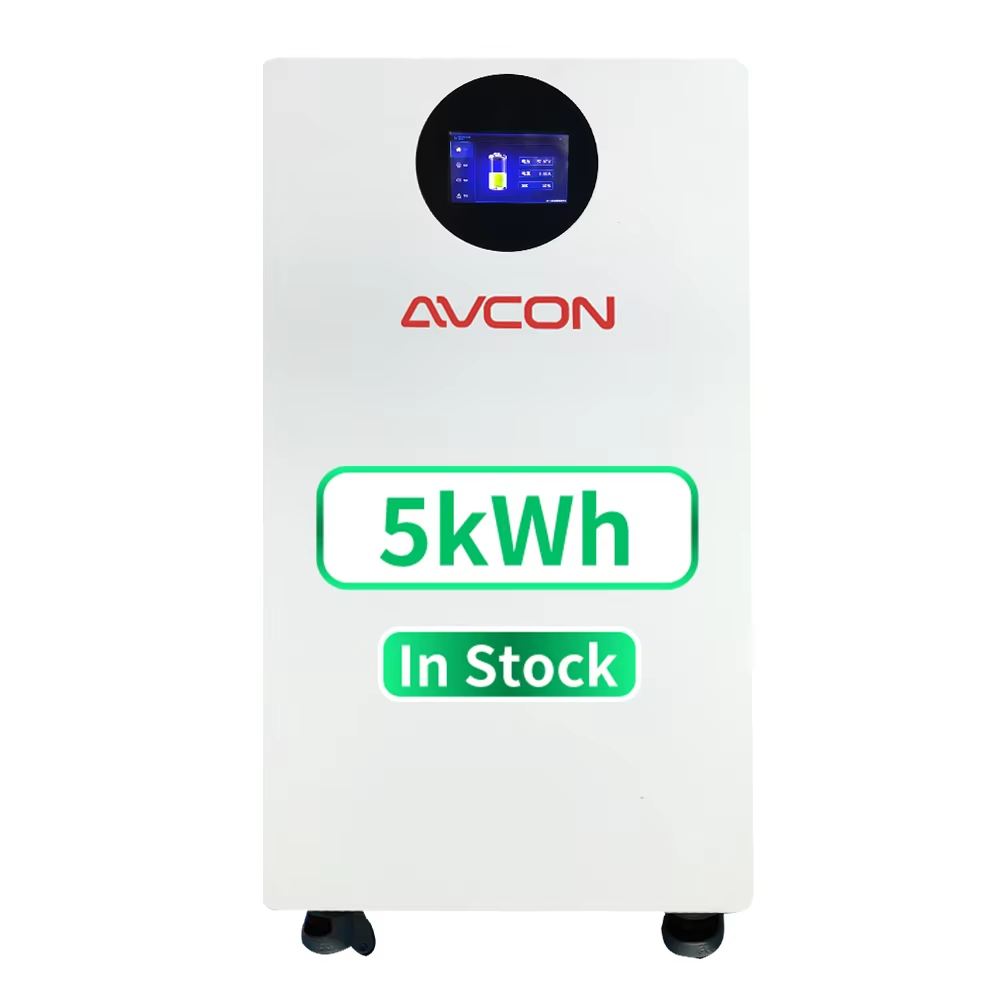
Sicherstellung einer unübertroffenen Wärmemanagement-Lösung zur Förderung zuverlässiger Leistung im gesamten Netz
Die Bedeutung einer gleichmäßigen Temperatur (±1,5 °C) für eine konsistente Frequenzregelung
Die Flüssigkeitskühlung hält die Temperatur der Batteriespeicherbehälter optimal innerhalb eines Bereichs von ±1,5 Grad Celsius. Eine solche Temperaturstabilität ist entscheidend, um sicherzustellen, dass die Batterien schnell und präzise auf Frequenzänderungen reagieren können. Ohne eine derart gleichmäßige Temperaturregelung werden die Batterien träge, und ihre Wirksamkeit nimmt rasch ab. Wie nachgewiesen wurde, sind diese Systeme in der Lage, die Netzfrequenz während plötzlicher Laständerungen konstant innerhalb einer Bandbreite von 0,1 Hz zu regeln. Im Gegensatz dazu weisen luftgekühlte Systeme nahezu immer eine Temperaturdifferenz von 5 Grad auf, was – neben anderen Faktoren – zu Problemen bei der Frequenzregelung führt und die Blindleistungsabgabe beeinträchtigt. UL-9540A-Tests zeigen, dass eine ordnungsgemäße Wärmebewirtschaftung im Vergleich zu luftgekühlten Systemen eine Reduzierung frequenzbezogener Probleme um 40 % bewirkt. Bei großflächigen Netz-Anwendungen für erneuerbare Energiequellen ist ein derartiges Maß an thermischer Gleichmäßigkeit erforderlich, um größere systemische Ausfälle zu vermeiden.
Fallbeispiel: AES-Alamitos-400-MWh-Projekt – 99,2 % Verfügbarkeit mit flüssigkeitsgekühlten Batteriespeichercontainern
Das AES-Alamitos-Projekt mit einer Kapazität von 400 MWh erreichte eine jährliche Verfügbarkeit von 99,2 % mit flüssigkeitsgekühlten Batteriespeichercontainern. Dieses Verfügbarkeitsniveau verdeutlicht die Wirksamkeit des thermischen Designs sowie die betriebliche Robustheit des gesamten Systems. Über ein ganzes Jahr hinweg war diese Konfiguration betriebsbereit und an das Stromnetz gebunden – inklusive Phasen kontinuierlicher Entladung, Lastverschiebungen und langer Betriebsdauern. Zudem war die Konfiguration vertraglich verpflichtet, während des betrachteten Zeitraums aktive Frequenzregelung und Lastausgleich bereitzustellen. Wie wurde dies erreicht? Das integrierte flüssigkeitsgekühlte System des Gesamtsystems beseitigte wirksam die durch andere Systeme verursachten thermischen Probleme und hielt für jede einzelne Zelle konstant eine optimale Temperatur aufrecht. Dadurch verringerten sich ungeplante Wartungsarbeiten und thermische Probleme um 50 %. Diese Konfiguration erzielte während der Betriebsphase des Projekts zusätzliche Einnahmen durch schnelle Regelenergie-Dienstleistungen („fast response ancillary services“) sowie geringere Betriebs- und Wartungskosten (O&M). Dieses Projekt stellt weitere Belege sowie eine praktikable Lösung für den rasch wachsenden Bedarf an flüssigkeitsgekühlten Containern bei Großprojekten im Bereich der Energiespeicherung dar.
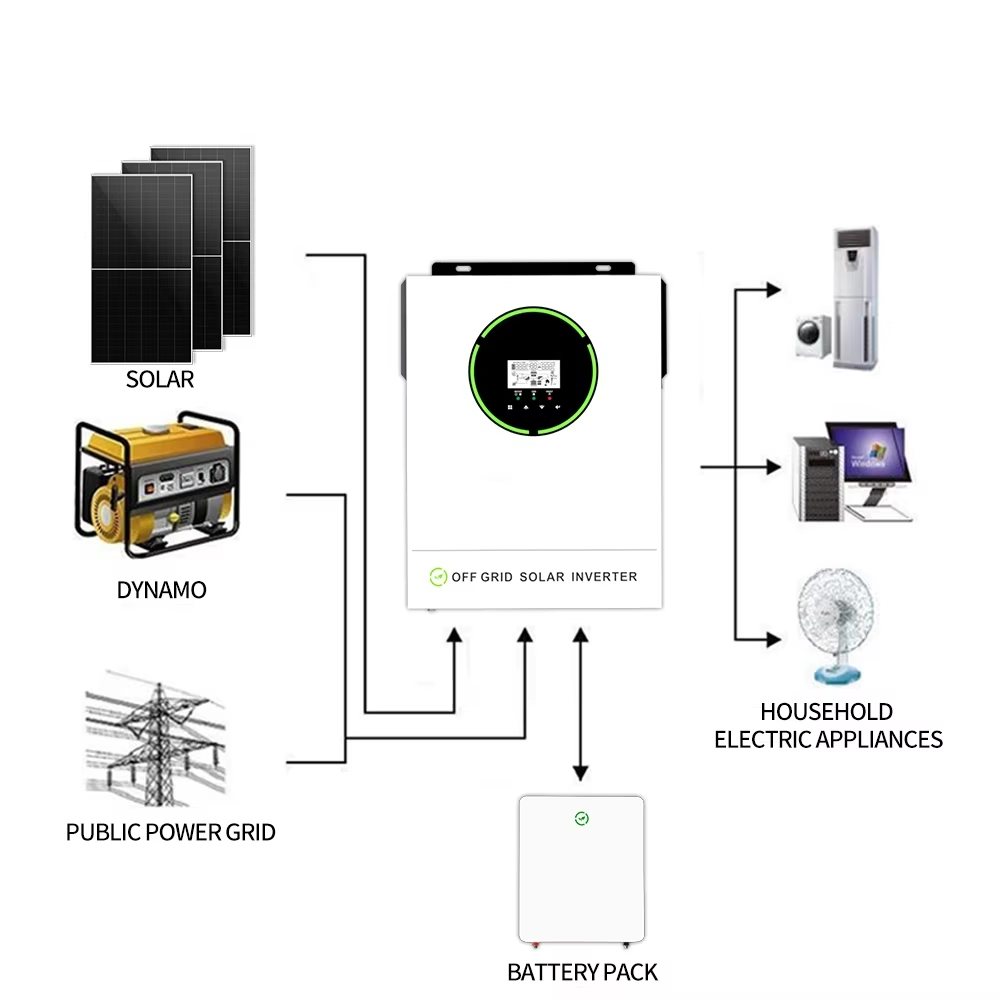
Verbesserte Sicherheit durch zusätzliche integrierte Minderung von thermischem Durchgehen
Daten aus UL-9540A-Tests: Warum 78 % der BESS-Vorfälle durch luftgekühlte, zuverlässige Hotspots verursacht werden
Gemäß den UL-9540A-Tests stellt eine ungleichmäßige Erwärmung die größte Sicherheitsgefahr bei großskaligen Batterie-Energiespeichersystemen dar. Die größten Herausforderungen, vor denen wir stehen, ergeben sich aus den zuvor genannten Hotspots bei luftgekühlten Systemen. Wenn die in diesen Systemen gekühlte Luft zwischen den Batteriemodulen um nicht mehr als 15 Grad Celsius abgekühlt werden kann, werden einige Zellen weit unterhalb ihrer sicheren Betriebstemperatur gekühlt, was die Alterung beschleunigt. Dadurch entsteht rasch ein erhebliches Ungleichgewicht im elektrischen Widerstand und die Wahrscheinlichkeit eines thermischen Durchgehens während Ladezyklen mit hohem Ladezustand steigt an. Sobald dieser Durchgeh-Zustand erreicht ist, breitet sich die Wärme schnell auf benachbarte Zellen aus, da das zuvor genannte Kühlsystem keine ausreichende Kühlleistung mehr bereitstellt und zudem ausreichend Sauerstoff in der Luft vorhanden ist, um das Feuer zu nähren. Innerhalb weniger Minuten entwickelt sich aus einem zunächst geringfügigen Problem ein voll ausgebrochenes Feuer.
Dielektrisches Kühlmittel + Echtzeit-Branddetektion: 67 % Reduzierung der Ausbreitungszeit
In Kombination mit der Immersions-Dielektrik-Kühlung kann die multisensorielle prädiktive Analyse die Ausbreitungszeit einer thermischen Durchgehung um bis zu 67 % reduzieren. Die spezielle nichtleitende Kühlflüssigkeit nimmt Wärme 3,5-mal effizienter auf als Luft und sperrt zudem Sauerstoff aus sowie physisch fehlerhafte Zellen voneinander ab. Echtzeit-Überwachungssysteme können frühe Anzeichen von Störungen erkennen, wie beispielsweise geringfügige Spannungsschwankungen, plötzliche CO2-Anstiege oder lokal begrenzte Temperaturerhöhungen. Sobald ein System diese Phänomene erkennt, kann es die betroffenen Module innerhalb weniger Sekunden autonom isolieren. Dadurch werden Probleme nicht erst dann beherrscht, wenn sie sich bereits auf andere Container ausbreiten, sondern vielmehr direkt an ihrem Entstehungsort eingegrenzt. In Feldteststudien sank die durchschnittliche Reaktionszeit von 8 Minuten auf 2,5 Minuten. Diese Zeitersparnis erhöht das Maß an Vorfallkontrolle deutlich und steigert zudem die Sicherheit des Personals, das möglicherweise gefährlichen Bedingungen ausgesetzt ist.
Längere Lebensdauer und geringere Betriebs- und Wartungskosten durch präzise Kühlung
DOE-Benchmark 2023: 15–20 Jahre Zykluslebensdauer im Vergleich zu 10–12 Jahren bei luftgekühlten Systemen
Der Leistungsbenchmarkbericht für Batteriespeichersysteme (BESS) des US-Energieministeriums aus dem Jahr 2023 enthält beispielsweise Angaben zur präzisen Flüssigkeitskühlung für Lithium-Ionen-Batterien: Dabei werden Kühlmechanismen eingesetzt, die die Temperatur innerhalb einer Bandbreite von etwa ±1,5 °C regulieren. Dadurch wird der starke Kapazitätsverlust reduziert, der bei luftgekühlten Systemen auftritt. So können die Batterien eine längere Zykluslebensdauer bieten. Statt bei herkömmlicher Kühlung typischerweise 10 bis 12 Jahre zu laufen, können die Batterien 15 bis 20 Jahre betrieben werden und dabei mehr als 80 % ihrer ursprünglichen Kapazität bewahren. Im Allgemeinen bedeutet die erhöhte Wiederholzykluslebensdauer der Batterien, dass sie dreimal seltener ausgetauscht werden müssen. Diese Reduzierung der Austauschhäufigkeit führt zu geringeren Kosten pro Batterieaustausch. Die Lebenszykluskostenanalyse des Ponemon Institute zeigt in diesem Zusammenhang, dass Unternehmen langfristig pro 100 Megawattstunden Speicherkapazität etwa 740.000 US-Dollar einsparen.
Hot-Swap-Modularität in Batteriespeichercontainern reduziert die Ausfallzeit um 92 %
Lagerbehälter sind so konzipiert, dass Techniker Batteriemodulwechsel vor Ort durchführen können. Dadurch können gesamte Systeme während des Austauschs der Module weiterhin betriebsbereit bleiben, und die für Wartungsarbeiten benötigte Zeit kann erheblich verkürzt werden. Das Testprogramm von ERCOT aus dem Jahr 2023 bestätigte, dass sich die durchschnittliche monatliche Ausfallzeit durch den Einsatz von Modulen von 14,5 Stunden auf knapp über 1 Stunde reduzieren lässt. In Kombination mit einigen prädiktiven Gesundheits-Tools kann die Systemverfügbarkeit nahezu 99 % betragen, und die für Betrieb und Wartung anfallenden Personalkosten können um rund 60 % gesenkt werden. Ein weiterer wesentlicher Vorteil dieses modularen Designs ist die einfache Integration zusätzlicher Module in das System. Modulare Batterielösungen sind so ausgelegt, dass sie problemlos in bestehende Systeme integriert werden können, ohne dass Fundamente, elektrische Verkabelung oder Kühlsysteme neu positioniert oder umkonfiguriert werden müssen. Dadurch verringert sich der Bedarf an kostspieligen Nachrüstungen erheblich, und neue Anlagen können im Vergleich zu herkömmlichen Lösungen deutlich schneller in Betrieb genommen werden.
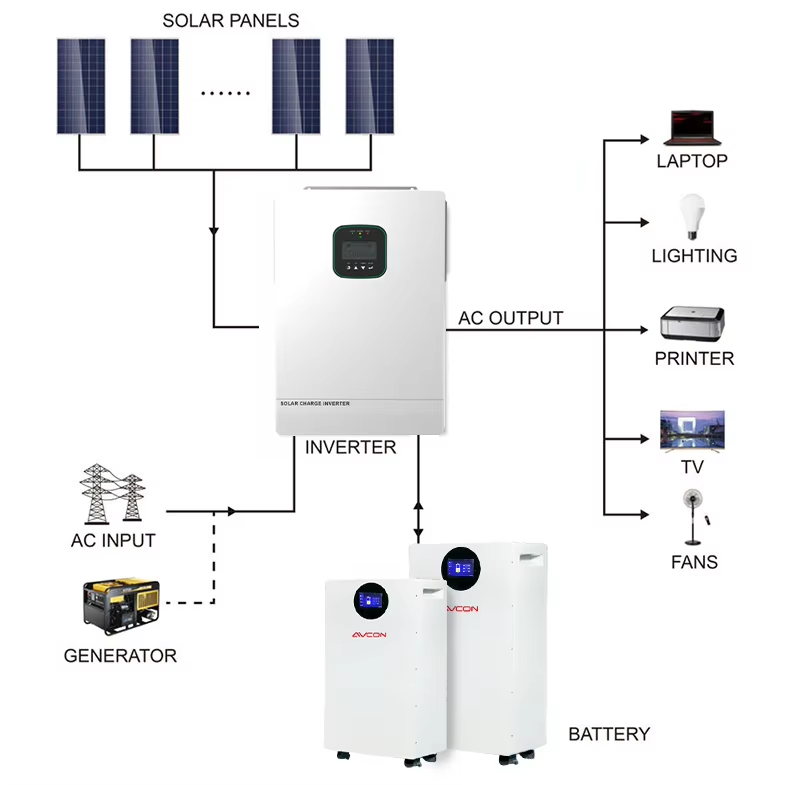
Kostengünstige und platzsparende, skalierbare Speicherlösungen für hochdichte Standorte
Flüssigkeitsgekühlte Batteriespeichercontainer bieten etwa 40 % mehr Speicherkapazität pro Kubikmeter als luftgekühlte Container und sind daher kosteneffizienter für dicht besiedelte städtische Umgebungen wie städtische Umspannwerke und Fertigungsstätten sowie für netzunabhängige Mikronetze, bei denen die Grundstückspreise sehr hoch sind. Bei einer dichten Packung von mehr als 1 Megawatt pro Batterieeinheit bergen luftgekühlte Systeme das Risiko von „Hot-Spot“-Ausfällen und einer verkürzten Lebensdauer der dicht gepackten Baugruppen. Flüssigkeitsgekühlte Batteriecontainer verteilen das Kühlmittel gleichmäßig – auch bei einer Leistung von über 1 Megawatt pro Container – um Temperaturungleichgewichte zu kontrollieren und eine vertikale sowie dichtere Batteriepackung zu ermöglichen. Modulare Container tragen zudem dazu bei, Zeit und Kosten durch eine Minimierung der Vor-Ort-Fertigung zu reduzieren. Im Vergleich zu anderen Containerkonstruktionen sind luftgekühlte Systeme dreimal schneller einsatzbereit.
Häufig gestellte Fragen
Warum ist Flüssigkeitskühlung für Batterien optimierter als Luftkühlung?
Bei Batterien führt die Luftkühlung häufig zu größeren Temperaturschwankungen und ungleichmäßiger Kühlung. Dies führt zu schlechter Leistung, verkürzter Batterielebensdauer sowie erhöhtem Wartungs- oder Austauschbedarf. Die Flüssigkeitskühlung vermeidet diese Probleme, indem sie eine konstante Temperatur bereitstellt und aufrechterhält.
Warum ist präzise Kühlung für Batterien vorteilhaft?
Durch Vermeidung von Übertemperaturen verlängert die präzise Kühlung die Lebensdauer der Batterien und hilft ihnen, ihre nutzbare Kapazität zu bewahren. Daher beträgt die Lebensdauer flüssiggekühlter Batterien 20 Jahre, während luftgekühlte Batterien lediglich eine Lebensdauer von 10 bis 12 Jahren aufweisen.
Welche Bedeutung hat die Verhinderung einer thermischen Durchgehung für die Sicherheit von Batterien?
Die Minderung einer thermischen Durchgehung spielt eine wichtige Rolle für die Sicherheit von Batterien, da sie die schnelle Ausbreitung von Wärme und Feuer in Batteriesystemen begrenzt. Integrierte Systeme für die dielektrische Kühlung und die aktive Branderkennung verkürzen die Zeit der Wärmeausbreitung und mindern Schäden.