
 EN
EN
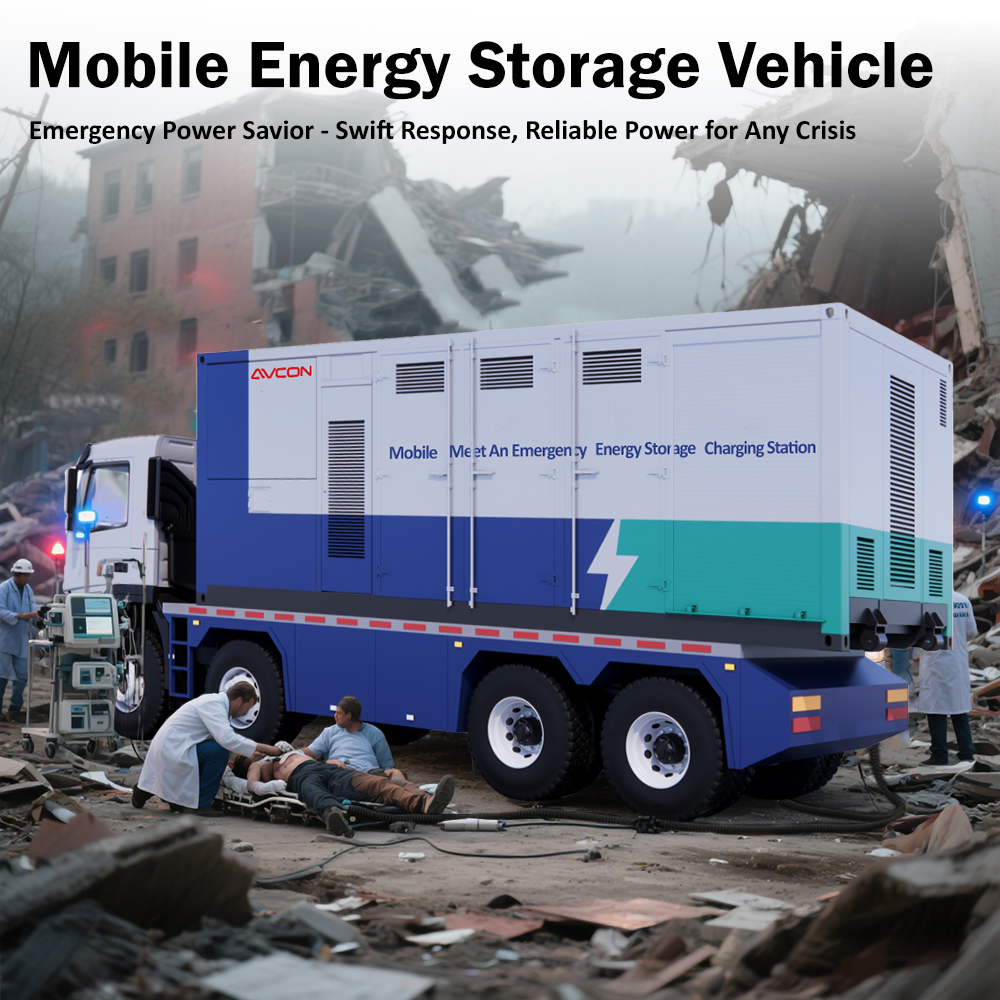
LFP (Lithium Iron Phosphate) batteries have a unique olivine crystalline structure that prevents thermal runaway and overheating during emergency power situations. Typically lithium ion batteries have a hard time with what LFP batteries manage. LFP batteries can withstand over 800 degree Celsius during their uses, destabilizing the battery. This includes situations with heat, physical impact, and even over-charging, which occurs frequently during emergency situations. Real world evidence indicates that LFP batteries have 72% fewer incidents of overheating and thermal runaway than other battery types during emergency use situations at 45 degrees Celsius. This evidence was published in the Energy Storage Safety Report, 2022.
Safety Benchmarking vs. NMC/NCA: Real Life Concerns for Field-Deployable Mobile Energy Storage
In the NMC (nickel manganese cobalt) and NCA (nickel cobalt aluminum) evaluation, LFP (lithium iron phosphate) battery chemistry shows more favorable safety metrics that are crucial for emergency power. There is a possibility of a significantly lower risk profile with a higher thermal runaway threshold with the absence of volatile cobalt.
Safety Factor LFP Chemistry NMC/NCA Chemistry
Thermal Runaway Onset >270°C 150 – 210°C
Combustion Risk Low Moderate – High
Oxygen Release During Failure None Significant
Stability is reflected in operational safety: LFP mobile energy storage units show 5 times lower failure rates during seismic events and 68% lower fires during multi-day deployments (Grid Resilience Study 2023). Reliability also avoids additional hazards when powering critical infrastructure in risky situations.
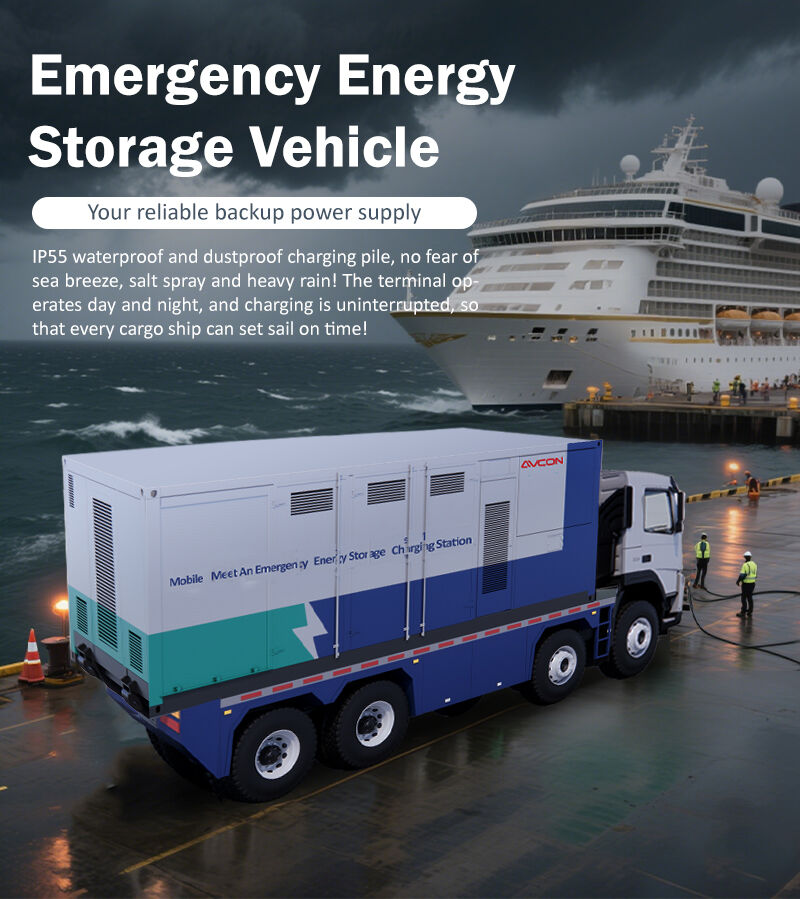
Consistent Power Delivery Under Critical Emergency Load Profiles
Stability is crucial for the operation of medical devices and communication tools in emergencies. Mobile energy storage systems powered by lithium iron phosphate (LFP) batteries are designed specifically to meet this follow critical requirement because of the advantages in their design.
In combination with mobile energy storage units, utilities have shown 98.3% runtime predictability for outages greater than 3 days (FEMA Energy Resilience Report 2024) which allows for precise and efficient rationing in fuel for backup generators.
Unlike other systems, a BMS (Battery Management System) must ensure there are no single points of failures (SPOFs) as they could lead to the entire mobile energy storage unit (MES) becoming non-operational. Even at an early developmental stage, the engineers designed BMS to allow for the highest levels of reliability, maintain uninterrupted operation. During an electrical surge, the BMS must react within milliseconds to ensure the safety of the system. It is the sub-millisecond layer of the BMS that will dynamically archive balanced state of the system. Redistribution of power among cells that are out of balance is done actively, preventing any permanent damage to the cell. It also provides a reliable way of maintaining the operation of the system without a single point of failure. This is especially critical for lithium iron phosphate (LiFePO4) cells used in life support systems, as fast response times can be the different between life and death.
Testing done in the real world shows that these new BMS systems continue to have a steady power output during around 98 of every 100 power grid failures. They handle surges 40% better than basic systems that just cut power when issues arise.
Battery shelf life, low self-discharge, and long-term reliability for infrequent deployment.
Mobile emergency energy storage systems require instant deployment, even after prolonged periods of storage, extending to months or years. Lithium iron phosphate (LFP) technology stands out for offering exceptional reliability. Most LFP batteries will still hold about 90% of their charge after just one year of storage. This is a critical improvement over traditional lead acid technology, where batteries can lose 5 to 15% of their charge each month, and actually require periodic topping off to avoid damage from sulfation. There is no need for charging schedules or maintenance with LFP batteries. This is especially important for units deployed in remote locations or units that will only be used during a hurricane season. The batteries can just sit and do absolutely nothing for long periods of time. LFP batteries also offer shelf lives of about 10 years, providing even more value in critical infrastructure where batteries may be sit unused for long periods of time. It is highly undesirable to replace batteries that still have useful life left in them.
Your peace of mind is priority number one when it comes to our reliability during recent outrageously long blackouts. With us, medical devices still work n some radios, and batteries can be let go of due to our reliability when it matters most.
FAQs.
What stands out most with LFP batteries as compared to the other type of lithium ion batteries?
LFP batteries stand out because they are the safest to use in instances of emergency as they are less likely to catch fire and are less prone to heat issues compared to the other lithium ion batteries
What can be said about the Grizzly LFP batteries when it comes to extended blackouts?
When faced with extended off-grid situations, the Grizzly LFP battery’s performance is super consistent even when discharges are deep.
Can LFP batteries be used in instances where use is expected to be infrequent, especially in light of the fact that they may be used in cases where the location to be used is expected to be remote?
Absolutely! Even after extremely prolonged instances where they are not in use, LFP batteries will still be primed and ready to go because they are efficient in self-discharge. This is especially true when there is a long expected inactivity where the battery will be dormant.