
 EN
EN
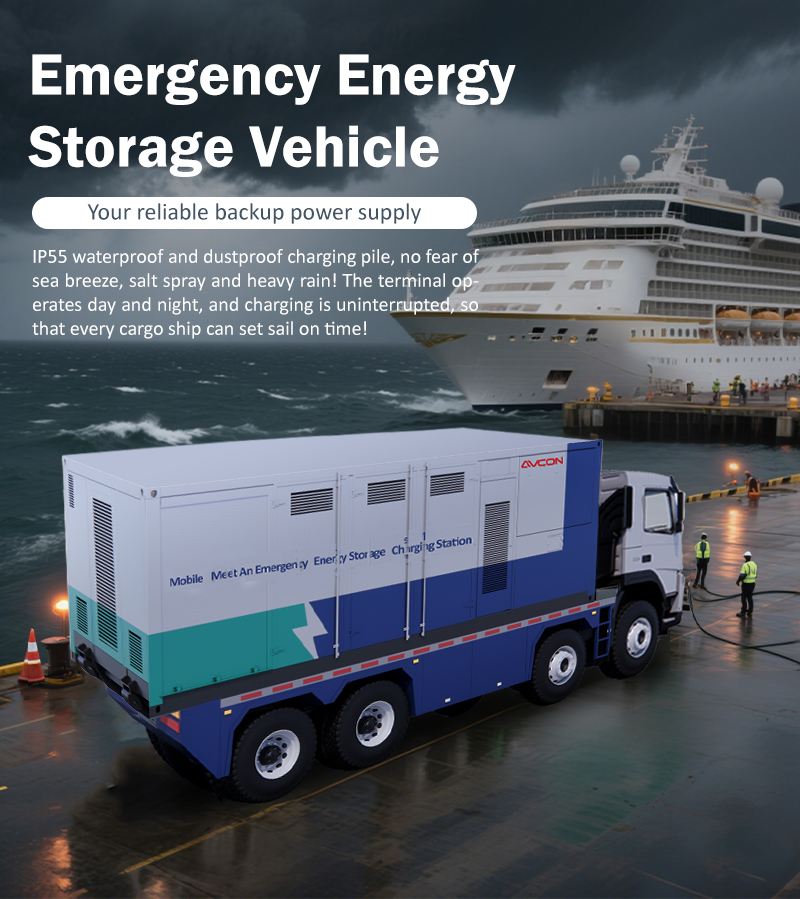
Mobile charging stations, thanks to patented technology, almost always achieve IP67 standards. Dust and water resistive seals made with patent protected gaskets, as well as rust resistive alloys, are barriers to all opening points and ensure dust does not enter and water is kept out even during heavy storms. Additionally, there is patent protected water vapor positive pressure venting, designed to keep water vapor out while maintaining positive pressure to balance air pressure during internal temperature variations, and is a critical design feature for charging stations to operate under -20 degree Celsius to +50 degree Celsius temperature extremes. Real world testing has shown with IP67 technology, weather related malfunctioning has been reduced to a fraction of the level of the IP54 testing when the design of the electronic component enclosures was optimized for salt water, dust and water. With IP67 technology, charging stations have continued operation in the full range of conditions to which the stations were designed to operate, even when fully submerged in water and dust while maintaining the desired level of protection for the electronic components.
Validation Testing: Compliance Metrics for ASTM D4169 and IEC 60529
Real-Time Overcurrent and Overvoltage Protection (UL 2231-1 & UL 2594)
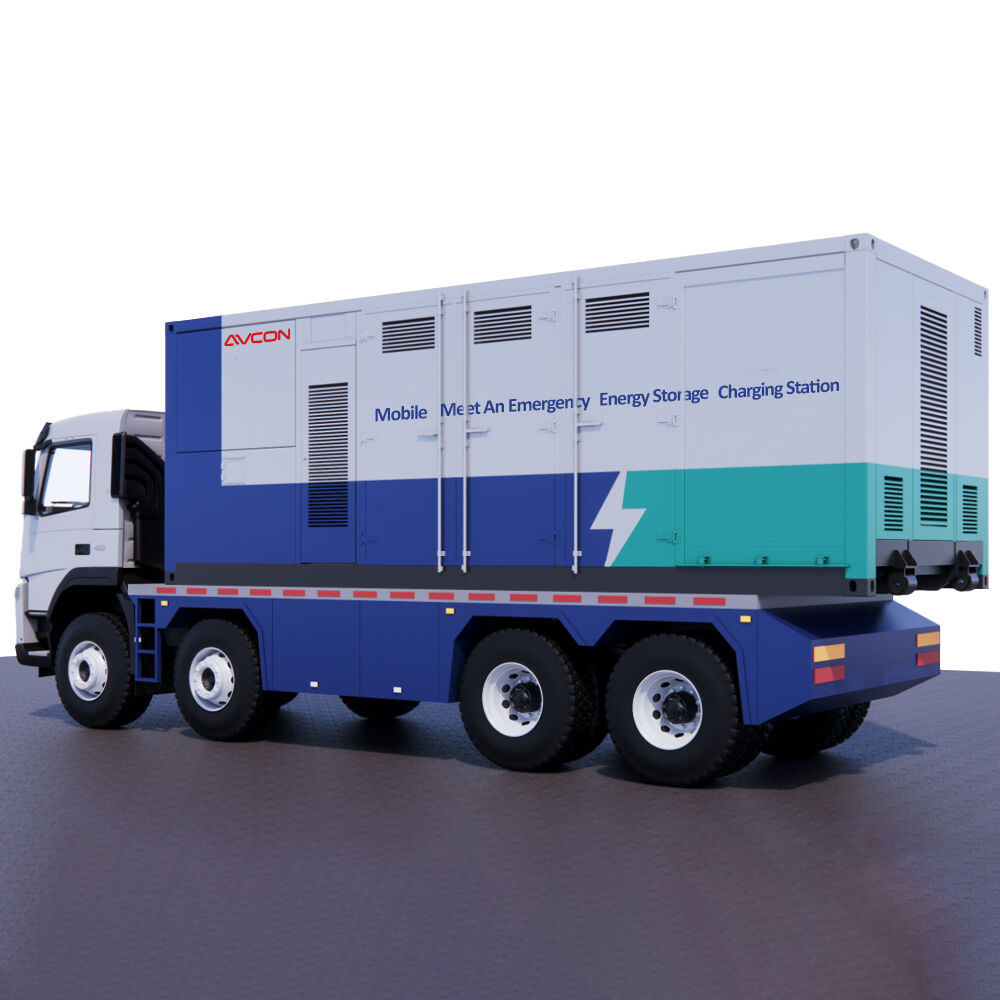
We have integrated multiple layers of electrical safety systems with monitoring of current and voltage at 150 times per second. Safety systems under UL 2231-1 standards will cut off power when current and/or voltage exceed the threshold of normal operation to prevent hazardous events including connector melting and arcing. Analyses of incidents throughout the Electrification Safety Review (in the last field survey reports) showed that nearly 40% of events were attributed to connector melting and arcing. Additional layers of protection are also incorporated to provide dual stage protection against overvoltage.
This additional layer is like protection against sudden spikes or spikes that can impact straightforward UL 2594 protection. It’s like car insurance in the absence of protection or when the power company is experiencing fluctuations.
Bidirectional BMS Communication to Prevent Thermal Runaway
The charging station updates every 0.5 seconds for each battery pack; this includes the temperature for each individual cell, level of charge for each cell, the electrical isolation of each cell, etc. The system can automatically adjust power delivery to prevent serious problems. New research in the journal Energy Storage Safety identifies up to 65% of incidents can be prevented via this system in comparison to traditional cooling methods. The hotter the temperature, the better the difference in the results.
Public Infrastructure Safety Standards
Deployment of Grid-Interactive Mobile Charging Stations: NEC Article 625 and IEEE 1547-2018
Mobile charging stations that interact with the grid have to abide by two major standards that pertain to the location of their installation. The first one is NEC Article 625, which deals with the installation of electric vehicle supply equipment. This standard also includes regulation on proper grounding, overcurrent protection, and use of safe and approved connectors. The second is IEEE 1547-2018, which describes safe connection of these stations to utility power grids, i.e. how the stations regulate their own voltage and control the operation of the stations when the grid is powered down. Once charging stations are certified to meet these standards, they have the capability to both supply power to the grid and draw power from the grid. With this type of certification, city safety departments report a 2023 reduction of accidents related to the safety of city infrastructure from 1/3 to 1/5. This is also the first report with reference to this type of certification pertaining to charging stations.
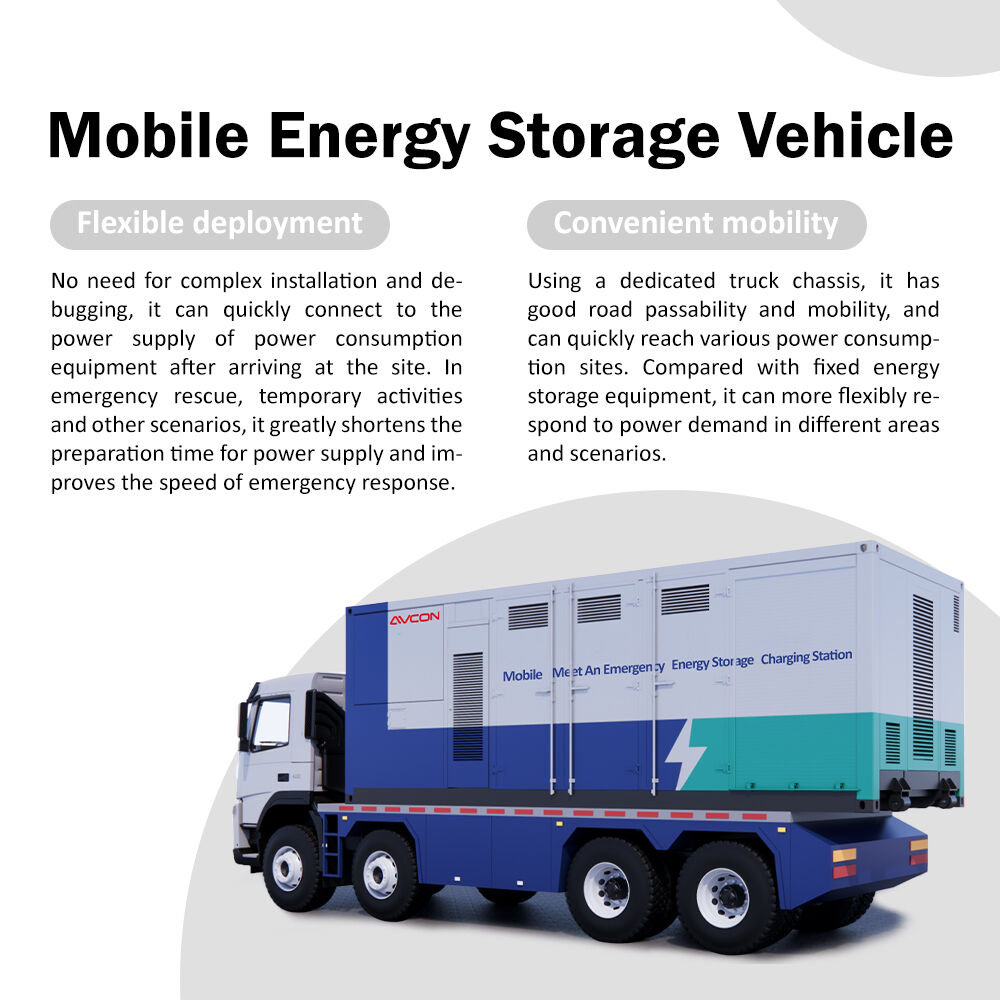
User and Pedestrian Safety in High-Traffic Outdoor Environments
Because of the high volume of foot traffic in urban areas, public charging stations need high levels of user and vandalism protection. Urban public charging stations feature three types of protection:
- Protective charging connectors. These connectors protect the internal charging design from user and environmental damage.
- Ground fault protection. These disconnected charging stations in milliseconds if they sense foot traffic danger; And
- Cellular fault detection. The mobile charging station notifies its supports in 8 seconds of the fault.
These protection features mitigate and eliminate the risks of contact, trip, environmental dangers, etc. They also keep the mobile charging station safe when located near transit hubs, crosswalks, and event gathering areas.
FAQ Section
What does IP67 rating for mobile charging stations mean?
Mobile charging stations with an IP67 rating are dust resistant and water resistant (up to 30 minutes at a depth of <1 meter).
How do mobile charging stations ensure electrical safety?
Mobile charging stations ensure electrical safety through real-time fault detection and proprietary technology.
Are mobile charging stations compliant with public infrastructure standards?
In compliance with public utility standards, mobile charging stations meet NEC Article 625 and IEEE 1547-2018 standards.
Where are mobile charging stations usually put to use?
Mobile charging stations usually work in areas with high outdoor footfall like edges of pedestrian crossings, public transport hubs, and venues where events are held.