
 EN
EN
The Need for Compact Mobile Energy Storage Units for Portable Power
The Importance of Portability: Size, Weight, and Ergonomics for Backpacking, Van Life, and Hiking
When it comes to staying mobile on the trail, bulky power packs are downright counterproductive. Backpackers are always looking to lighten their load, and van lifers spend a lot of time rearranging their setups to utilize their space as efficiently as possible. A large battery takes up a lot of space and increases the overall load. The data also confirms this squatters packs over 20% of their pack weight increases their risk of injury by 35% according to last year’s research by Trail and Summit. The goal of anyone looking for working solutions for portable power has to be a lot of focus on...
Designs less than 30 cm that fit easily into storage
Single handed carry with sub 12 kg weight and ergonomic handles
Housings that are more than waterproof (IP65) to handle trail dirt and moist air from the sea
The most modern leading units with 500Wh capacity and 8 kg weight - the trail is ready with no compromise to reliability and also power is no more a burden.
Real World Power Needs: Comparing With Common Off Grid Equipment (Lights, Fridges, CPAP, Drones)
When paired with the right solar equipment, the system runs indefinitely. Strong input capabilities are key. Below the right inputs, like USB-C PD 100 watts or clean AC with wall outlet power, critical devices don't run. Many campers run into this issue, and an Outdoor Gear Lab study from 2024 reported three out the four campers had to end their trips due to an inability to power their devices. This has led to a surge in interest in new portable power stations. These compact units provide the measured power, not the theoretical, needed to run equipment on outdoor adventures.
Key Technical Specifications That Define True Lightweight Mobile Energy Storage
Capacity vs. Usable Runtime: Why 200–1000Wh Is the Optimal Range for Most Travelers
Picking the right capacity means finding that sweet spot between what we need for power and how much we can carry around. Most people find that batteries in the 200 to 1000 watt hour range work pretty well for basic off grid stuff like keeping a CPAP machine running all night (about 50 watts) or powering a small fridge for daily use (around 500 watts per day), without carrying something absurdly heavy. The real trick is understanding how long these batteries actually last when put to work. High-quality models tend to give us over 90% of their stated capacity because they have better battery management systems inside them. Going too big just adds unnecessary weight to our packs or vehicles, while going too small leaves us scrambling for backup power sources when needed most. On longer adventures spanning multiple days, something around 500 watt hours usually gets us through 2 to 3 days of essential equipment operation, which fits nicely within standard backpack weight allowances and doesn't take up too much space in van setups either.
IP65+ Weather Resistance & Weight-To-Capacity Ratio (<12 kg per 500Wh) for Outdoor Reliability
To achieve reliable portability, your system must pack a lot of energy into a very small space - thus, the first metric that needs to be optimized is weight. Lithium iron phosphate batteries offer sub 10 kg per 500 watt hours, making them approximately half the weight of the old lead acid or lithium ion batteries that get used far too often. This is a very critical consideration for most hikers as they will not comfortably carry anything over 12 kg. This consideration also becomes critical when designing systems for small scale vehicles. Aside from the weight benefits, these batteries are also IP65+ rated, meaning they will not get too dusty on the inside as they will be able to survive water spray from all directions, meaning they will not completely fail when they are exposed to rain or water when they are on a track that is sandy. Manufacturers construct these units to be a solid one piece casing and also use impact mitigating materials that actually work. They pass a impact test from 1.5 meters on to concrete in accordance to military specifications, which also means they are able to meet the specifications that most engineers outline most other people however do not care about the specifications.
Key Features for Safe and Flexible Off-Grid Charging
Output Flexibility: Pure Sine Wave AC, USB-C PD 100W+, & Regulated 12V DC Support
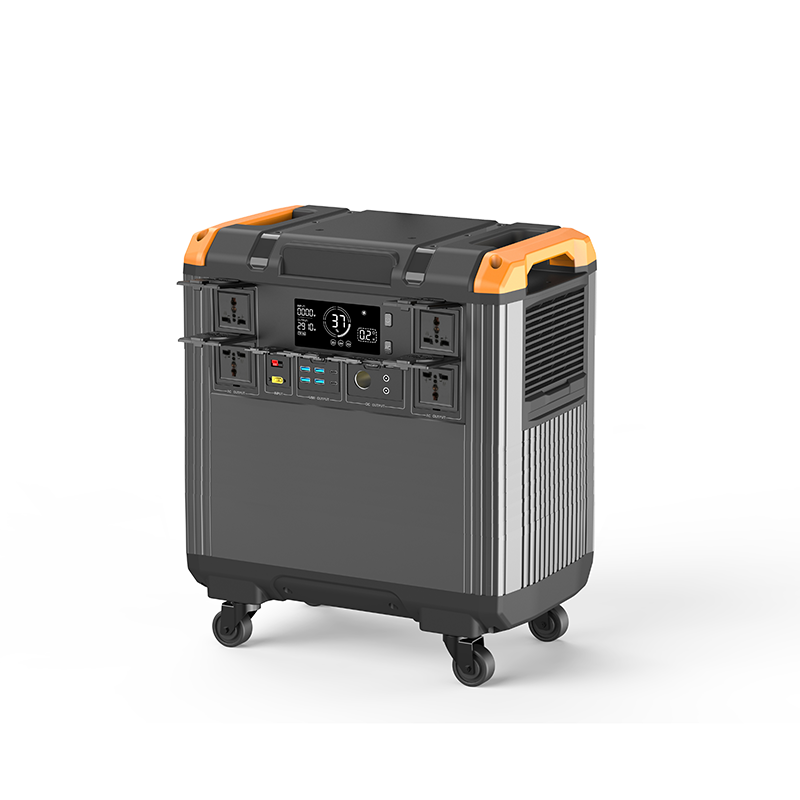
In order to allow for critical off-grid devices to operate, the most modern mobile energy storage tech must be able to support a variety of power outputs. Pure sine wave AC outlets are crucial, for example, to prevent the damage of sensitive electronics (CPAP machines, drones, etc.), since they replicate the type of output that comes from a home wall socket. Additionally, the USB-C PD ports (over 100 watts) allow for fast charging of laptops, mirrorless cameras, and other devices, eliminating the need for bulky adapters. Also important are the regulated 12 volt DC circuits, which allow for portable fridges and LED lights to be kept lit with a constant flow. With all of these features, backpackers and hikers are able to power multiple devices (often 3-4) at once while eliminating the need to constantly swap power banks.
Some field testing shows that having all three types of outputs available can reduce the number of individual power packs required by around two thirds compared to having just one type of output.
Multi-Source Recharging: Solar Input (MPPT) Tech, Car Charger, & AC Charge Time < 4 Hours
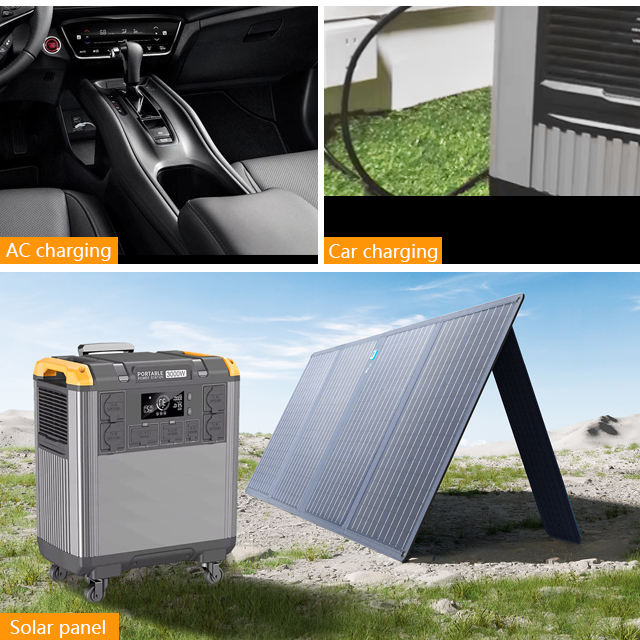
Truly resilient, off-grid options for recharging require multiple methods for quick recharging. The new MPPT technology has come a long way. They identify the maximum power point on a solar panel. As a result, MPPT's pull 30% more energy than the old school PWM technology that most people have. For van & RV folk, dual input on charging systems makes a world of a difference, especially when the alternator's voltage swings from high to low while driving down the motorway. GaN wall charging tech is now available, which means you can recharge your devices in under 4 hours. That is a huge advantage when driving or during unexpected trips. They can also recharge in under 4 hours when driving. Interestingly enough, to recharge devices, field tests show that solar units & AC power units can maintain 95% charge for 1 week away from civilization. After 1 week in a remote area, solar units drop down to 60% charge. It’s pretty clear that for many days in a row, the sun may not be shining, and many days, the vehicle is also not available.
FAQ
Why is lightweight mobile energy storage important?
Lightweight mobile energy storage is important because it provides consumers with portable power storage that is easy to carry during activities like hiking, van life, or backpacking, as it does not add bulk or extra weight.
What are good specifications for portable power packs?
Good specifications include compact size, ergonomic carry handle, water proof storage, and weight under 12kg for easy one handed carry.
In what way can portable energy stations be used for off grid devices?
Portable energy stations can power off grid devices like LED lights or CPAP machines as long as they have an efficient output like pure sine wave AC, USB-C PD 100W+ and regulated 12V DC circuit for power.
Are there mobile power solutions that can be recharged from various sources?
Yes, mobile power solutions have multiple charging options including MPPT solar for charging, and are designed to be used off grid as they can charge from a car and high efficient AC wall charging as well.