
 EN
EN
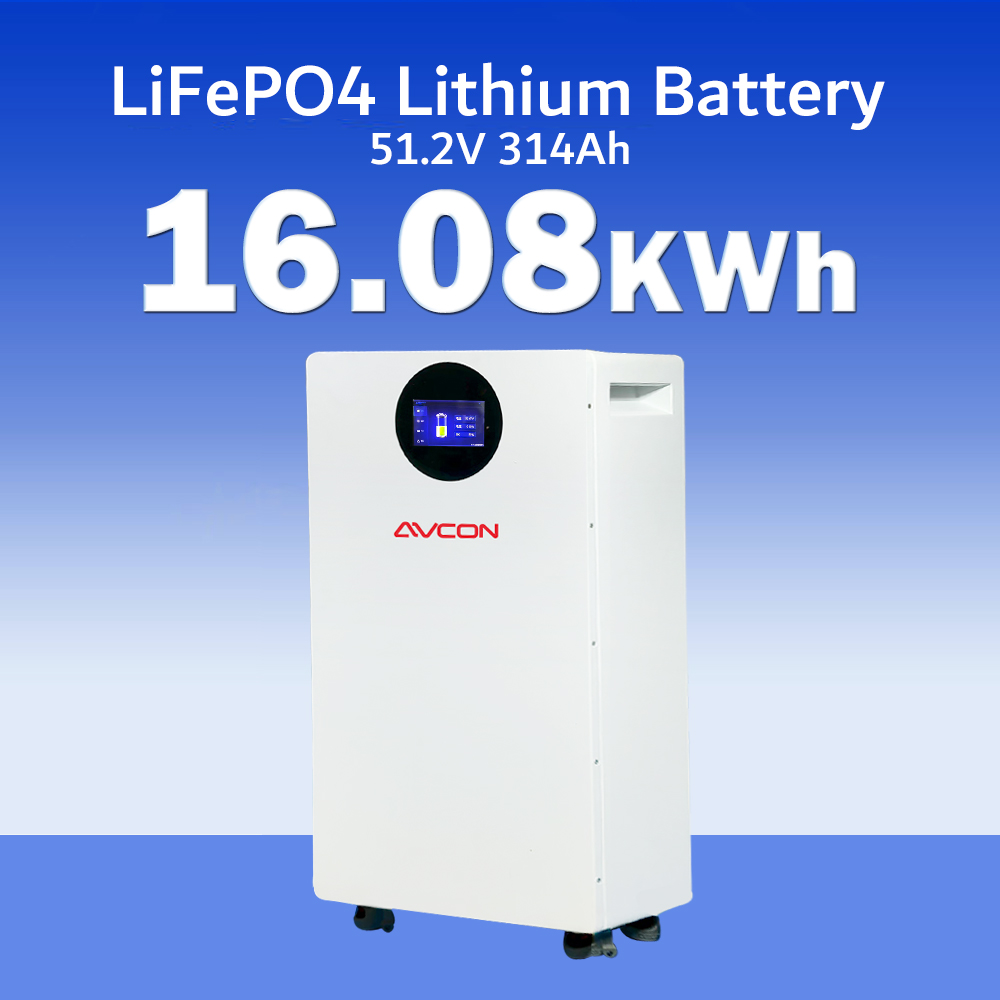
What Is Mobile Energy Storage? Core Technology and Key Components
What are Mobile Energy Storage Systems (MESS), and how are they different from stationary BESS?
Mobile Energy Storage Systems (MESS) can be described as mobile power units, with lithium ion batteries encased in standard shipping containers mounted on trailers. Unlike standard BESS solutions, they do not require permanent foundations, electrical grid tie-ins, or lengthy site prep. MESS units can be rapidly deployed to virtually any location and do not require modifications to existing infrastructure. They are therefore able to deliver power to locations that require electricity on a temporary basis such as remote job sites, post-disaster locations, and anywhere else that immediate power solutions are required. This need for temporary power solutions, makes MESS hot in industries with rapidly changing energy demands that may last for a few weeks or months.
Essential Hardware: Batteries, Power Conversion, Thermal Management, and Mobility Integration
A high performance mobile energy storage system (MESS) is defined by four integrated subsystems:
Reactive power support and black-start capability are also enabled by the PCS’ bidirectional DC/AC conversion which allows for the integration of grids, generators, and AC loads.
Liquid cooled or forced air active thermal management systems also protect battery components and their operations from heat, and provide safe responsive protective measures, especially during transit, in extreme climates, and during operations.
The mobility-integrated structural design of the system also complies with ISO 1496-1 container standards and ensures roadworthiness, crane-lift portability, and quick intermodal transfer via truck, rail or ship.
Component Critical Function Operational Impact
Battery Cells Energy storage capacity Determines runtime and discharge rates
Power Conversion System DC/AC electricity conversion Enables grid/equipment compatibility
Thermal Controls Temperature regulation Prevents performance degradation
Mobility Frame Transportation integration Allows rapid site relocation
Top Applications Driving Mobile Energy Storage Adoption
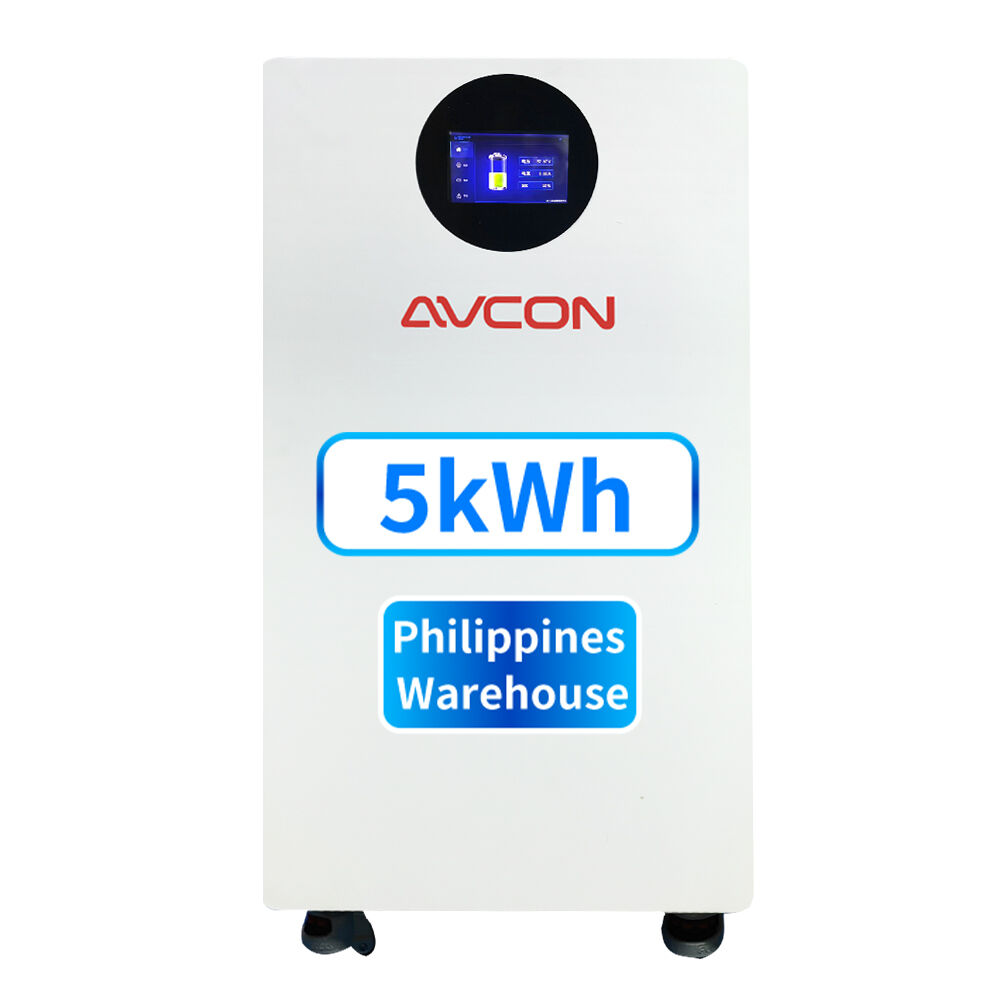
Mobile energy storage systems (MESS) provide reliable, clean, and quickly deployable energy where conventional power systems are impractical, destroyed, or too costly. Over the last year, MESS adoption has increased significantly for the following three use cases:
Power for Emergency Response and Disaster Recovery
When the power grid is damaged, MESS provides clean backup electricity and is typically operational within hours of deployment. MESS supports the provision of essential services by providing emergency communications, field hospitals, cold chain storage for medicines, lighting for shelters, etc. For example, during Hurricane Ian in 2022 numerous hospitals and intensive care units in Florida were powered by MESS because the conventional diesel generators exposed to floodwaters and couldn't provide fuel after the 3-day mark.
Temporary Power Solutions for Construction, Events, and Remote Locations
The MESS system serves as a complement or alternative to traditional diesel generators at job sites, film sets, concert venues, and mines. It eliminates noise pollution, reduces local emissions, and spares the hassle of fuel management. A single MESS unit with 1 megawatt hour capacity is able to operate for 8 hours at 50,000 square feet, resulting in 2.5 tons less CO2 emissions than the use of diesel generators. For remote sites with no access to a power grid, MESS technology is able to work with existing solar or wind systems to form what we call microgrid systems. In some cases, this combination is able to reduce fossil fuel consumption by up to 40%.
Grid Support and Peak Shaving in Mobile Microgrids
Utility companies and commercial campuses use MESS to act as flexible grid resources—charging battery storage during low-cost and off-peak hours and discharging during hours of high demand. During the 2023 Flex Alert events in California, MESS units positioned to respond to the grid's demand reduction achieved a deferral of $740k substation upgrade costs and improved demand response.
Core Benefits of MESS for Customers
Operational Flexibility and Rapid Deployment
Businesses and industries now have greater flexibility in managing seasonal, cyclical, and unscheduled power demands with the MESS system. Unlike traditional battery storage systems, which require permitting and civil works, these units can be deployed and operational on-site in under a day. MESS systems are particularly beneficial for ski resorts, where the winter season can create a significant increase in electrical load demands (in some cases, ten times the ‘normal’ operational load demands). They can avoid spending capital on permanent electrical infrastructure upgrades. Similarly, farmers and food processors use the MESS units to mitigate operational disruptions caused by the need for refrigeration and processing. After the season, MESS units can be deployed to other locations to help with solar panel charging and heating during the seasonal cold months. This type of operational versatility maximizes ROI while facilitating green energy solutions.
Reduced CapEx vs. Permanent Infrastructure and Avoided Grid Upgrades
Actual cost savings from mobile storage solutions are greater than permanent infrastructure. MESS units postpone expensive substation upgrades of $500,000 to $2,000,000. Also, with smart peak shaving, demand charges are reduced by 30 to 50 percent. When used with current generators, mobile storage solutions improve performance by reducing diesel run time by almost 40 percent, which translates to lower fuel costs, lower maintenance, and less pollution. Additionally, mobile storage solutions eliminate large initial costs for short term needs such as film productions, new data center setups, and emergency responses.
Cost Factors Mobile Storage Advantage
Grid Upgrade Deferral $500k–$2M substation costs can be avoided
Demand Charge Reduction 30-50% reductions in peak tariffs
Generator Integration 40% reduction in fuel usage
Evaluating Mobile Energy Storage Solutions
Capacity, Power Rating and Run Time Requirements
Choosing a Mobile Energy Storage Solution (MESS) must begin with a solid understanding of the operational mission-critical requirements and aligning them with the technical parameters of the MESS, beyond the headline parameters. Emergency backup, peak shaving and grid services as well as remote industrial operations have different main criteria.
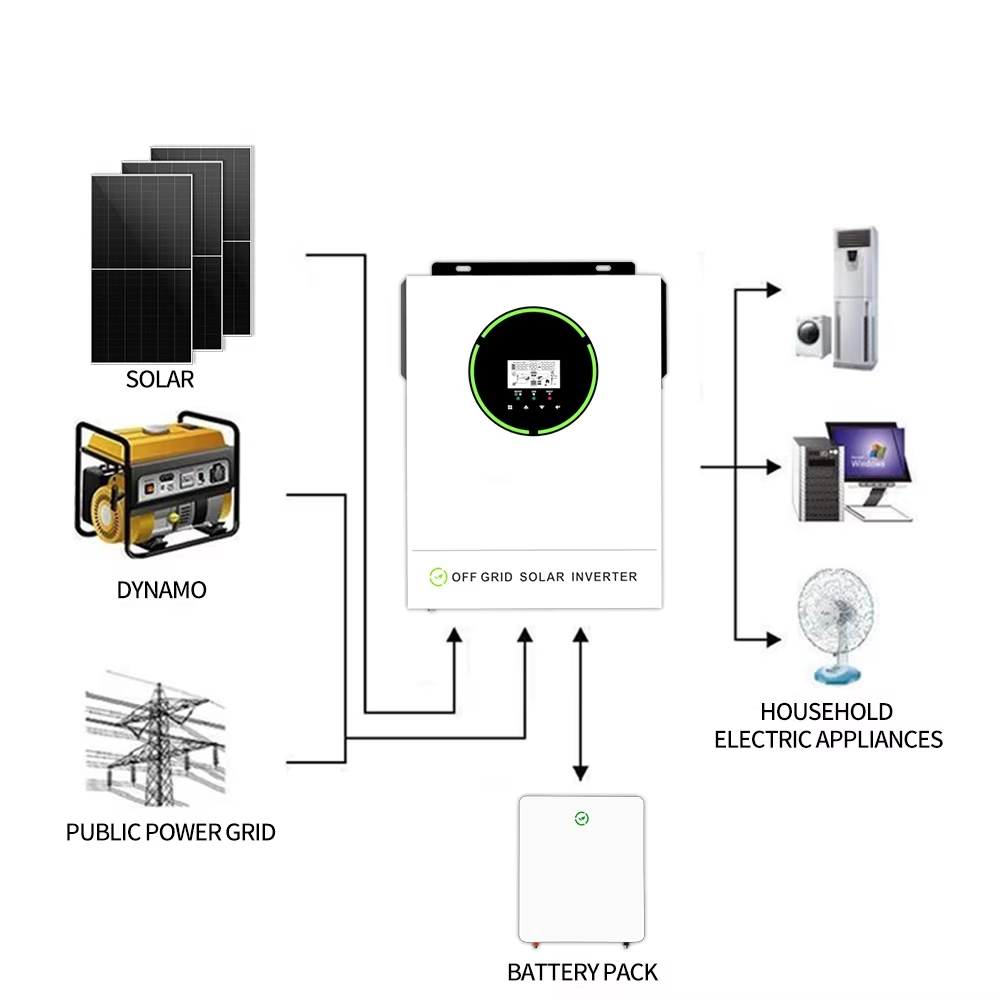
For emergency backup, usable capacity (kWh) and runtime (15 kW for 48 hours is about 720 kWh of usable energy, factoring 80 - 90% depth of discharge) is important, while peak shaving and grid services require high power (kW/kVA) and ultra-fast response (less than 1 second for ramping) with about 500 kW of near instantaneous discharge capability.
Remote industrial operations, especially those with extreme ambient temperatures below -10°C or above 45°C, require a MESS with high cycle life, environmental (ingress protection of at least IP55) and thermal endurance.
Use Case Priority Metrics Example Requirement
Emergency Backup Runtime + Capacity 48h coverage @ 15kW
Peak Shaving Power Rating + Response 500kW ramp in <1 second
Remote Mining Cycle Life + Durability 5,000+ cycles, IP55 rating
Certifications, Safety Standards, and Logistics Compatibility (e.g., ISO Container Integration) MESS systems and the associated services cannot compromise safety and compliance for certification and transport readiness. The best MESS systems have been tested easily (UL 9540A), the ease of fire spread testing, and UN38.3 compliance for the transport of lithium batteries. These systems are compliant with ISO 1496-1 standards for integration into ISO containers, meaning they are compatible for intermodal transport. These systems are compatible with crane lifting containers, stacking, and are compliant with road weight restrictions. Logistics poses many more challenges, such as...
Cranes are integrated with lift points and reinforced corner casting
Enclosures are climate-controlled - batteries operate between 15–25°C
Mounted with road transport vibration dampers and shock-absorbing suspension
Liability-ignoring thermal management can speed the rate of capacity fade. Up to 20% of usable energy can be lost at sustained sub-zero conditions, which can be a permanent loss in energy retention (Electrochemical Society, 2023). While the process is lengthy, a safety certification from a third-party can help avoid incidents with a direct cost of $740k (Ponemon Institute, 2023).
FAQs
What is Mobile Energy Storage?
Mobile Energy Storage Systems (MESS) is a mobile power unit with a lithium-ion battery. MESS can be deployed and used instantly as it does not require grid connection or permanent installations.
What are the components of a Mobile Energy Storage System?
Advanced MESS comes with lithium-ion battery modules, a Power Conversion System, and a structure designed with integrated mobility.
Where are Mobile Energy Storage Systems commonly used?
MESS is designed to provide mobile power to mini grids, construction and event power, and emergency response.
What are the advantages of using MESS for businesses?
Compared to mobile power generators or other grid connected options, MESS is cost-effective, flexible, easy to install, and avoid expensive grid connection upgrades.
What factors should I consider when selecting a Mobile Energy Storage Solution?
Review your use case in terms of capacity, power rating, runtime, safety, and logistics compatibility.