
 EN
EN
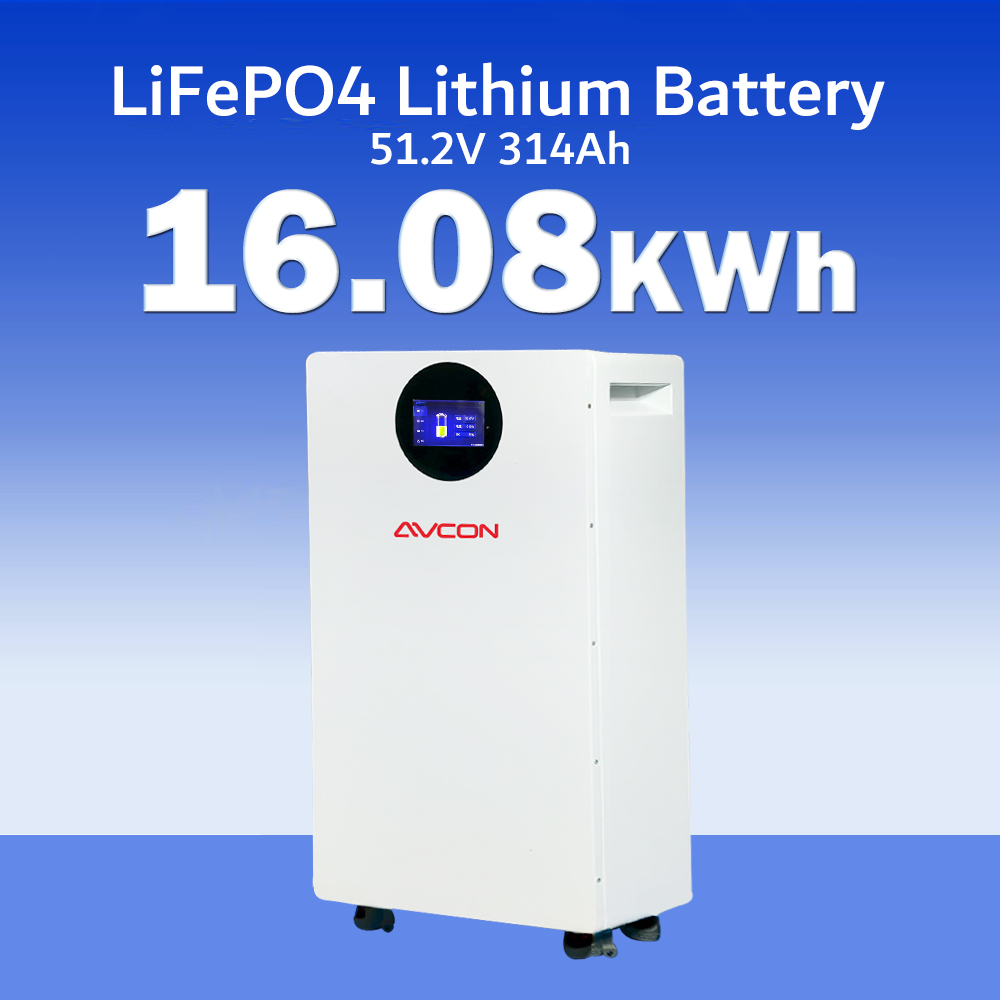
Key Safety Engineering Design Elements for Battery Storage Containers
Engineering safety for commercial and industrial battery storage containers is imperative to protect against fires and explosions possible in high-density energy systems. Three safety-oriented design principles are the basis for operational safety.
Fire-resistant Construction and Explosion Venting
Battery storage containers are constructed of steel alloys capable of withstanding temperatures of greater than 1200 degrees C (2,192 F). The steel is combined with advanced ceramics, which are thermal insulators, to slow the rate of heat ingress into the container during a thermal event. Explosion venting panels are placed throughout the design. These panels are designed to rupture at 5 to 10 psi to control the direction of the explosion to vertical roof vents, thereby preventing structural damage. The building is protected from blast damage. Gas-tight seals prevent the uncontrolled release of hazardous electrolyte from the container. Containers are designed and constructed to withstand earthquake forces to the building the container is placed in. National Fire Protection Association (NFPA) testing shows that this layered approach to construction and design reduces fire spread risk by approximately 67% compared to enclosures that do not incorporate these safety principles.
Fire Suppression & Early Warning Integrations Protection systems are designed to respond in tiers:
Stage 1: VESDA laser smoke detectors initiate alarms at ultra-low 0.005% obs/m obscuration levels
Stage 2: Aerosol suppressants are dispensed within 30 seconds of a confirmed thermal runaway
Stage 3: Water mist curtains come into play if temperatures exceed 150°C (302°F)
Continuous airflow monitoring enables detection of off-gassing precursors (e.g., ethylene or hydrogen) which allows for a preventative shutdown before runaway occurs. Integrated building management systems (BMS) coordinate fire alarms with building-wide evacuation procedures and notify emergency personnel. Fire safety consultants suggest that this tiered approach successfully contains 92% of incidents at Stage 1.
Thermal Runaway Containment Certified via UL 9540A Testing
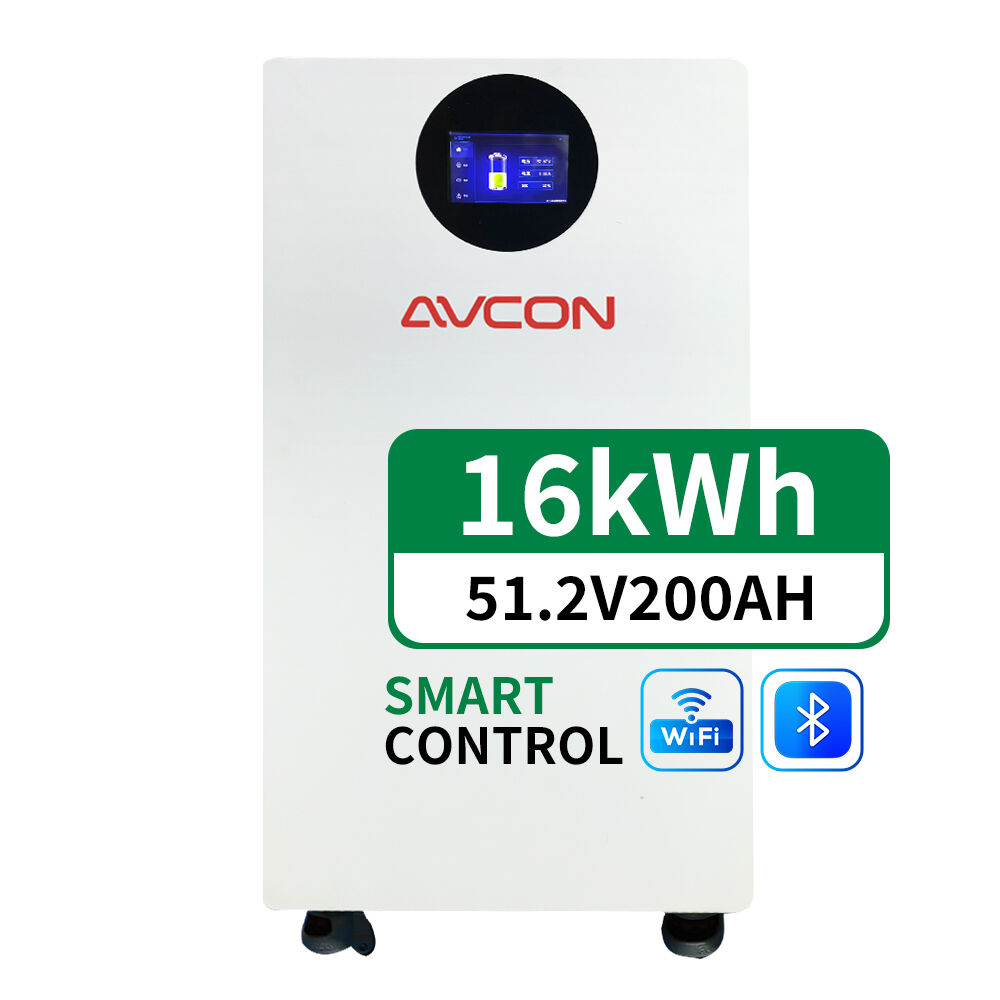
UL 9540A certification sets the standard for large scale deployments and certifies the containers that withstand a certain etest abuse in a controlled environment.
Test Parameters Requirements Safety Result
Propagation Delay ≥60 minutes between racks Prevents the “Domino Effect”
Peak Temperature ≤140°C (284°F) at adjacent modules Prevents secondary ignitions
Toxic Emissions <1000 ppm of hydrogen fluoride Ensures a breathable environment
Certified units achieve 99% isolation of single-module failures through fire-rated compartmentalization and endothermic cooling materials. This proves the efficiency of containment without outside suppression.
Regulatory Compliance and Certification for Battery Storage Container Deployment
NFPA 855, UL 9540, and CSA/ANSI C800: Essential Standards for C&I Applications
Installation safety and compliance directly address the potential for financial loss from incidents in industrial facilities, exceeding $740,000 on average (Ponemon Institute, 2023). For commercial and industrial (C&I) deployments, three core certifications establish the compliance baseline:
NFPA 855 specifies requirements for the spacing of modules, ventilation, and fire-rated separation barriers
UL 9540 certifies the electrical stability, control logic, and safety subsystem interoperability at the system level
For Canadian installations, CSA/ANSI C800 adds requirements for enhanced seismic and cold weather operational resiliency
High-density lithium-ion batteries are subject to UL 9540A thermal runaway testing, which, along with UL 9540, is a rigorous requirement. This testing concerns performance of the containment, not just a component. Facilities without these certifications experience 68% longer permit approval times and 34% higher insurance premiums (NFPA 2024).
Understanding Local Fire Code Differences and Jurisdictional Approval
Authorities having jurisdiction (AHJs) are local entities that set regulations. When regulations are at odds, either these local entities require additional controls that exceed national regulations, or they may adopt regulations in a jurisdiction like California or New York. An example of this is the California Fire Code (CFC) Chapter 12 and New York Fire Code FC 608, which requires:
5 PSI overpressure rated explosion relief panels
Gas detection with alarms that activate in 60 seconds or less
Access zones for fire department personnel that extend 10 feet beyond the perimeter of the container
While UL 9540A is the baseline standard, it is not uncommon for AHJs to require additional, extensive fire exposure testing or a particular risk assessment on the site. The International Fire Code 2023 implementation data indicates that early communication with fire marshals assists in reducing approval times by 45%.
Advanced Thermal and Environmental Management in Battery Storage Container Systems
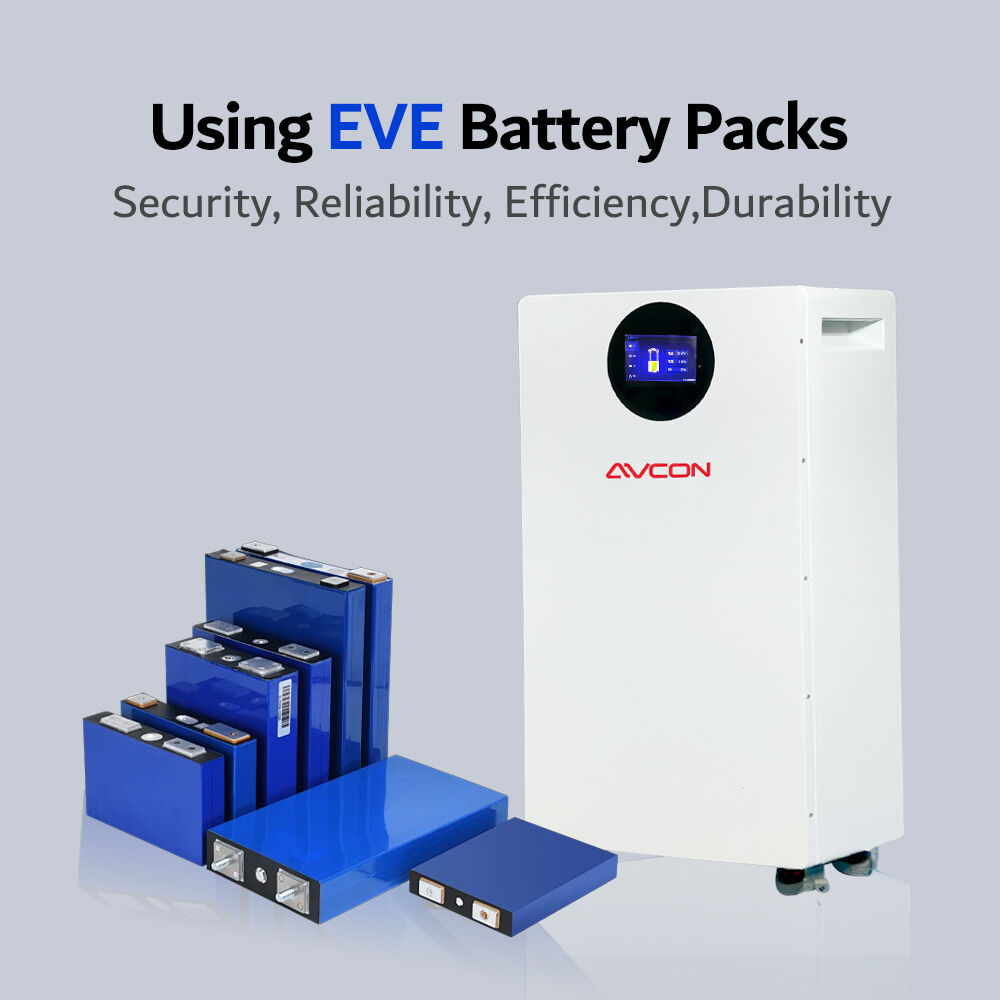
Liquid vs. Air Cooling: Optimizing Heat Dissipation for High-Density Lithium-Ion
How heat is managed determines not just safe and reliable equipment operation, but how long equipment will last before replacement is required. Air-based systems are simpler and therefore cheaper to implement, however, they fail to operate efficiently at heat densities greater than approximately 150 kW per cubic meter. In contrast, liquid cooling systems move heat away at approximately three times the efficiency, according to a study published in the Journal of Energy Storage in 2022, keeping cells in the optimal operational temperature range of -20 degrees to 45 degrees Celsius. This temperature control is essential for avoiding dangerous hot spots that lead to catastrophic failure, and it is expected to increase the operational life of batteries by 25 to 30 percent in high-discharge situations. Some organizations are utilizing a combination of legacy cooling systems and phase change materials (PCM) that absorb excess heat. Such hybrid systems are resulting in much improved temperature uniformity for large installations, the inconsistent battery aging of which manufacturers are seeking to eliminate.
Control of Humidity, State-of-Charge, and Ambient Temperature for Long-Term Reliability
Stability of the environment is also of utmost importance. Corrosion of the terminals and insulation will quicken with humidity above 60%. Also, State of Charge (SOC) imbalances greater than 5% between the cells will cause accelerated the capacity fade and drive stress imbalances. Modern containers provide:
Active dehumidification systems to maintain 40-50% RH
Dynamic real-time algorithms for SOC Balancing
Vapor-sealed, Insulated, thermal barrier enclosures to minimize thermal ambient swings
For the electrolyte to decompose at a reduced rate of 72% and support operational life of sustenance greater than 15 years at ambient temperatures of 25±5°C (Journal of Power Sources, 2024) Even in the subarctic, coastal, desert regions lifetimes are seen.
セBattery Storage Container Solution Durability, Scalability, and Integration with Legacy Infrastructure
Industrial storage batteries are designed to withstand the stress of the environment for decades while at the same time being flexible enough to support new energy requirements. Long term integrity is provided through the use of corrosion resistant materials. Structural frames are also made to withstand seismic events, meaning they are designed for use in coastal and earthquake zones.
Using a modular design it allows for the seamless and easy scalability with storage batteries. As needed operators can add new storage batteries in 500kW-2MW increments without disrupting current processes.
In electrical integration, proven safety and compatibility methods are a game changer. UL 891 compliant Busways can connect directly with existing facility switchgear in both directions, enabling a variety of functions. These include reducing peak load demand, feeding renewable energy to the system, and providing grid support services. Most customers implement energy management systems that integrate with building energy management systems. This enables the facility to automatically respond to demand changes, track performance in real time, and predict maintenance needs. Containerized systems are especially suited to older industrial sites that have limited space. Manufacturers are also designing systems that accommodate the evolving microgrid standards.
FAQ
Why are fire-resistant enclosures important for battery storage containers?
Fire-resistant enclosures serve the important purpose of containing a fire, extinguishing the fire, and containing blasts to direct energy through defined pathways to reduce blast pressure.
What role does UL 9540A certification play in battery storage containment?
UL 9540A certification certifies the containment ability of a system under abusive conditions. It ensures that systems can accommodate thermal runaway events without the need for external active suppression.
What influence do local fire codes have on the deployment of battery storage containers?
Local fire codes can be more stringent than national standards, influencing design details like explosion relief ratings and access for the fire department. Local requirements must be satisfied to obtain approval for deployment.