
 EN
EN
Important Functions for Reliable Battery Storage Container
Power, Capacity, and Depth of Discharge (DoD) Integration with Container Size and Load Support
The construction of the battery storage containers starts by measuring three things. The peak power demand in kilowatts (kW), the total energy storage in kilowatt-hours (kWh), and the depth of discharge (DoD). DoD refers to the amount of energy that is cycled in a given time frame from the battery. This is important, as it has a real impact on the physical size of the storage container battery. The DoD means that if a system is designed for 80% DoD instead of 50% DoD, the container will need around 25% more capacity to achieve the same amount of energy. For instance, if someone wants to have 500kWh of usable power with 80% DoD, that user will need approximately 625kWh of batteries. This will lead to larger batteries, and will require more coast area, and will also require more floor supports to be stronger in the area of the installation.
Inadequate infrastructure leading to alignment issues with DoD targets, as with thermal and mechanical stress, can result in premature degradation. For example, an insufficient load handling off-grid BESS deployment will, on average, incur $740k in remediation costs (Ponemon Institute, 2024). This demonstrates that adequate capacity planning starts with consideration of the structural support.
Essentials of thermal management: enclosure IP rating, ventilation design, and resilience to ambient temperature.
Cooling lithium systems is essential. An IP55 rated enclosure protects from dust and water ingress, but that doesn't mean thermal management can be ignored. LiFePo4 batteries endure operating temperatures from -20 to 60 degrees Celsius, but optimum temperature results in battery longevity and an improved performance, which means, of course, thermal management is a must. Efficiency will drop by 15% for every 10 degrees you deviate from the optimal 15 – 35 degrees.
In most temperate environments, regular forced air ventilation systems work effectively. However, in extremely hot environments, such as deserts where temperatures exceed 45°C, or in extremely cold environments, such as Arctic environments where temperatures drop below -10°C, it is necessary to implement additional liquid cooling systems to ensure systems remain operational. Each enclosure is to be equipped with temperature sensors and automatic HVAC shut off systems. The 2022 Edition of NFPA 855 exhibits that an active control system in conjunction with HVAC shut offs and temperature control systems greatly reduces the likelihood of fire, by an astounding 92% compared to systems that offer only passive cooling. This protection would be vital in extreme environments that would result in catastrophic failures of equipment involved with a fire or an equipment malfunction.
Safety, Compliance, and Certification Standards for the Deployment of Batteries in Storage Containers
UL 9540, NEC Article 706, and NFPA 855: Compliance is Mandatory for Off-Grid BESS
Off-grid battery energy storage systems (BESS) face the risk of thermal runaway, electrical faults, fires, and other hazards, especially when emergency services are delayed or unavailable. Therefore, BESS must comply with the following standards, which consist of the most fundamental elements of risk mitigation:
UL 9540 ascertains the safety of the entire BESS system by evaluating thermal propagation safety and verifying that all components of the system are compatible.
NEC Article 706 imposes battery-specific electrical safety protocol upon systems, such as the inclusion of overcurrent protective devices, emergency disconnects, and provisions for protective earthing/grounding, which are essential for remote battery installation.
NFPA 855 specifies ways to mitigate fires, such as the use of automatic suppression systems, hazard containment, special ventilation for enclosed BESS, and minimum unit spacing.
The risks of non-compliance are costly, as they expose you to risk of loss of insurance coverage, fines, and increased risks of incidents. According to fire safety reports from 2023, certified systems are 72% less likely to experience thermal events than systems that are uncertified, making compliance mandatory for sustainable and safe operation of off-grid systems.
Strengths, Trade-offs, and Site Specific Suitability of Battery Storage via Shipping Containers
Considerations of Space, Transport, and Remote Installation
For battery energy storage systems (BESS) shipping containers offer great scalability. However, when choosing between 20 foot and 40 foot containers, customers must consider their site’s physical limitations and their actual anticipated output needs. A 20 foot container has a storage capacity of approximately 200 to 500 kilowatt hours. It also weighs less than 10,000 pounds, allowing it to be delivered to sites with rough, hilly, or very limited access to roads. This makes 20 foot containers ideal for locations such as islands or mountainous areas. 40 foot containers hold a much more substantial storage capacity. They can hold between 800 and 2000 kWh. In addition, this greater capacity comes with more restrictions. Compared to 20 foot containers, 40 foot containers require stronger foundation support for installation, wider access for transporting and relocating the containers, and more substantial supporting equipment for relocating the containers.
Tailored Modifications: Integrated Cooling, Fire Suppression, and Structural Reinforcements for Reliability over Time
When developing strategies for off-grid resilience, consider the following three key improvements first: effective temperature management, quick-acting fire suppression, and structural improvements to handle stress. Passive ventilation might suffice for lithium iron phosphate batteries in regions that experience mild climates; however, they face challenges in more severe conditions. Above 30° C (86° F) outside, we must implement forced air cooling systems to avoid premature capacity loss of up to 15% at 45° C (113° F) and above. Fire suppression systems that use aerosolized instead of water extinguishers can stop thermal runaway in less than a minute, saving surrounding equipment. With proper seismic anchoring and wall steel bracing, a structure can withstand the effects of severe winds, heavy loads of snow, and even minor seismic activity. For long-term reliability, these improvements are not optional; they are required.
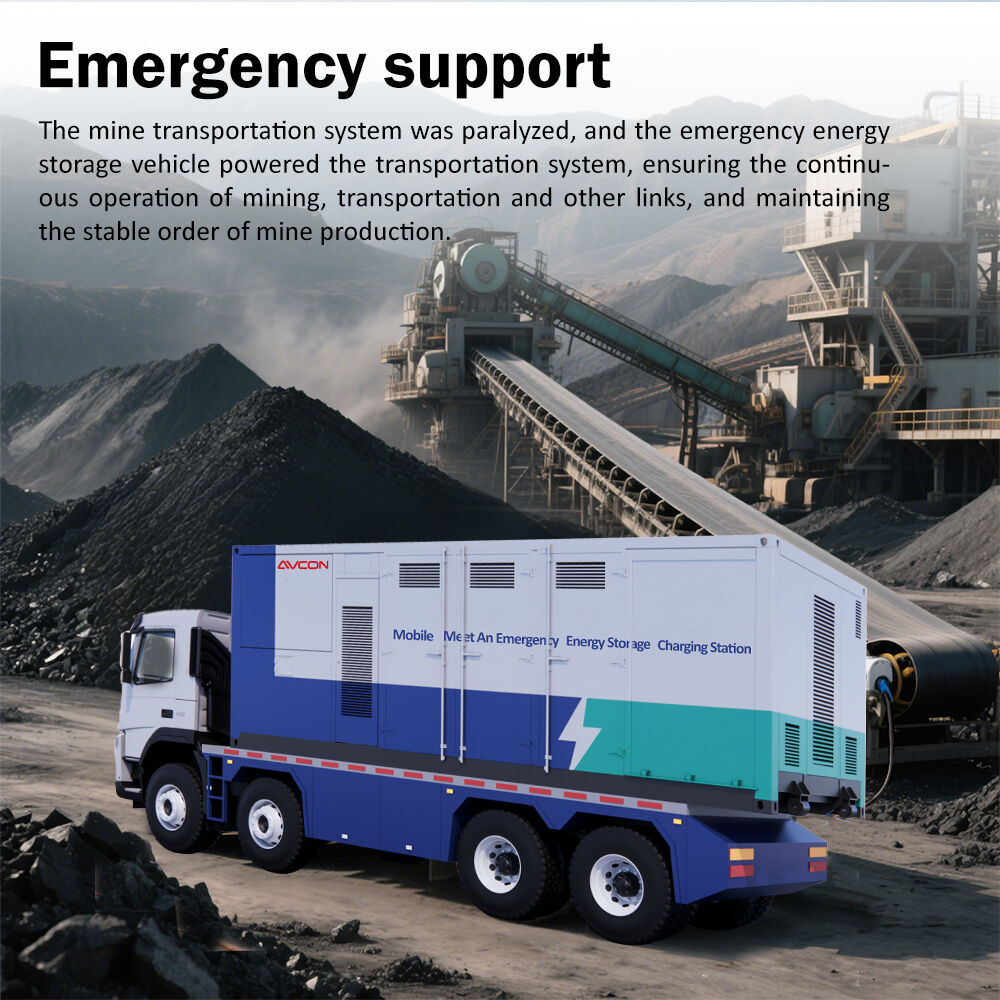
A Ponemon Institute (2023) report found that one mining operation saved $740,000 in unplanned downtime by strengthening the floor joists of their facility for uneven terrain. This is an easy but essential design for any battery storage container placed in an extreme or unstable environment.
The impact of battery chemistry on the design of battery storage containers and the related safety aspects of their operation
Why LiFePO4 is the Preferred Chemistry for Off-Grid Applications: Less Risk of Thermal Runaway and Less Need for Cooling of the Enclosures
Lithium iron phosphate (LiFePO4) chemistry provides an inherent and fundamental improvement to the safety of battery storage containers because of its intrinsic thermal stability. The oxygen-phosphate bonds of LiFePO4 are stronger and do not release oxygen when the bonds are broken, thus slowing down the rate of the reaction. Additionally, the thermal runaway onset for LiFePO4 is higher — approximately 270°C, compared to 150–210°C for NMC — which is why less venting is required.
The stability factor provides genuine design benefits in terms of safety and practicality. LiFePO4 batteries, for example, produce approximately 70% less heat in the event of an emergency, which significantly reduces the risk of the emergency spreading and reduces the amount of toxic gas released. LiFePO4 batteries also perform better in extreme conditions. While NMC batteries operate optimally between 15 and 35 degrees Celsius, LiFePO4 batteries can operate in virtually any environment, from as low as 0 degrees Celsius to as high as 45 degrees Celsius. This means engineers can use less complex and less expensive cooling systems, such as passive ventilation, simple forced air systems, instead of sophisticated liquid cooling systems. This means that the heating and cooling systems in a building will use 5-10% less energy. Vents can also be smaller and insulation can be thinner. All of this means that installation is much easier, especially in remote areas with limited space and energy.
As a result, NFPA 855 and IEC 62933 now prioritize LiFePO4 due to its benefits. In addition, the complexity associated with thermal management streamlines the UL 9540A compliance documentation processes, which favors regions where safety certifications take a long time to grant because of the rapid deployment of thermally stable technologies.
FAQs
What is the Depth of Discharge (DoD) in a battery storage container?
The Depth of Discharge (DoD) is the portion of total charge that is used on an average basis. It is a factor in the size and the structural supports of the battery storage container.
Why is thermal management important in battery storage containers?
Effective thermal management is important to prolong the battery’s effective life, to prevent the loss of efficiency, and to maintain safe operation of batteries, even in the extreme heat, drought, or cold conditions.
What are the key safety standards for off-grid BESS?
Some of the key safety standards are UL 9540 for full system safety, NEC Article 706 for electrical protection, and NFPA 855 for fire safety instructions.
How do LiFePO4 batteries improve safety and efficiency?
The safety and efficiency of the thermal management system is improved because LiFePO4 batteries are more thermally stable, have a lower risk of thermal runaway, operate at lower temperatures during all failure scenarios, and generate less heat.
Table of Contents
- Power, Capacity, and Depth of Discharge (DoD) Integration with Container Size and Load Support
- UL 9540, NEC Article 706, and NFPA 855: Compliance is Mandatory for Off-Grid BESS
- Tailored Modifications: Integrated Cooling, Fire Suppression, and Structural Reinforcements for Reliability over Time
- Why LiFePO4 is the Preferred Chemistry for Off-Grid Applications: Less Risk of Thermal Runaway and Less Need for Cooling of the Enclosures
- FAQs