
 EN
EN
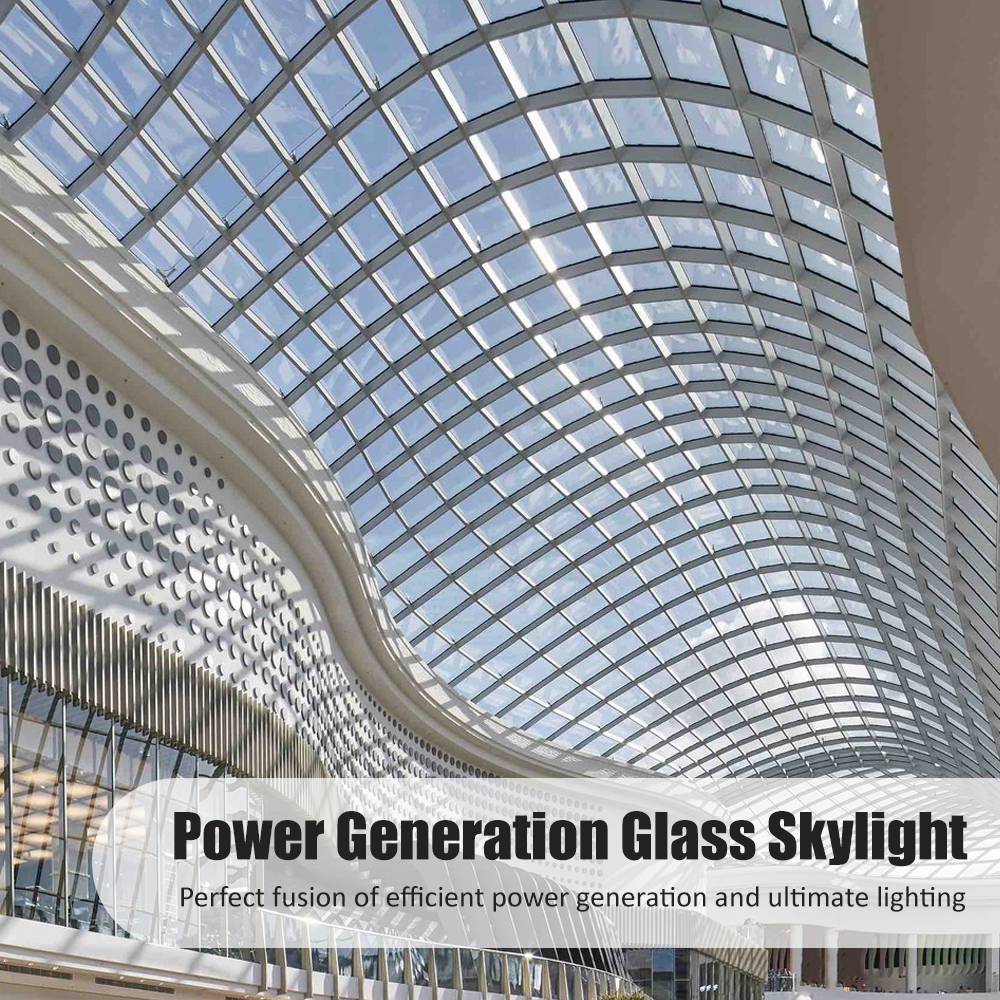
Improved Energy Efficiency via Innovative Building Glass Technologies
Low-E and Dynamic Building Glass Reduce HVAC Demand by 30%
Dynamic building glass and low emissivity (Low-E) glass coatings are innovative technologies that transform heat management in commercial buildings. They reflect infrared heat while transmitting visible light. Therefore, these glasses reduce solar heat gain in summer and retain heat in winter. The dynamic glass uses smart technology to automatically change its tint based on outdoor brightness. Thus, tenant offices can stay comfortable while preserving the view. Several studies suggest that smart glasses can reduce heating and cooling costs by 30% in comparison to standard glasses. This greatly improves building occupants’ comfort levels and reduces the burden on building systems.
Retrofit applications and optimizing solar heat gain and u-value.
Architects face a challenge when they are tasked with retrofitting older buildings because they need to be able to harmonize both the solar heat gain coefficient (SHGC) and the U-value which in this case is the measure for the rate of heat loss and insulating properties of a material. Today's building materials provide architects with an abundance of choices when it comes to selecting glass for a variety of climates and orientations. For example, the southern exposures located in warmer climates, many professionals recommend glass with an SHGC of less than 0.25 because it blocks a significant portion of the intense sunlight that can be a nuisance but it maintains the aesthetic view. Concomitantly, triple glazed argon gas filled windows can achieve the remarkable U-value of 0.20 W/m²K or better. Such refinements are in practice for the purpose of reducing the needs for air conditioning from 20% to 50% in almost all retrofitted buildings. In addition, the occupants continue to enjoy the solar gain.
Current rainscreen systems allow the incorporation of lightweight glass panels without extensive alterations to the structural frame of the building. An example here is STOventec\u00ae glass, which is mounted directly to subframes, allowing for faster installation via the subframe brackets. Compared to older techniques, labor costs are reduced by 30\u201335% (while also preserving drainage gaps). Modular systems are designed to accommodate thermal expansion and contraction, and improve access for future alterations or repairs. For the designer, the ability to use glass opens up design opportunities. Glass integrates well with metals and composite materials allowing the designer to create striking contrasts. This material fusion is popular for commercial applications where high design and robust functionality are required.
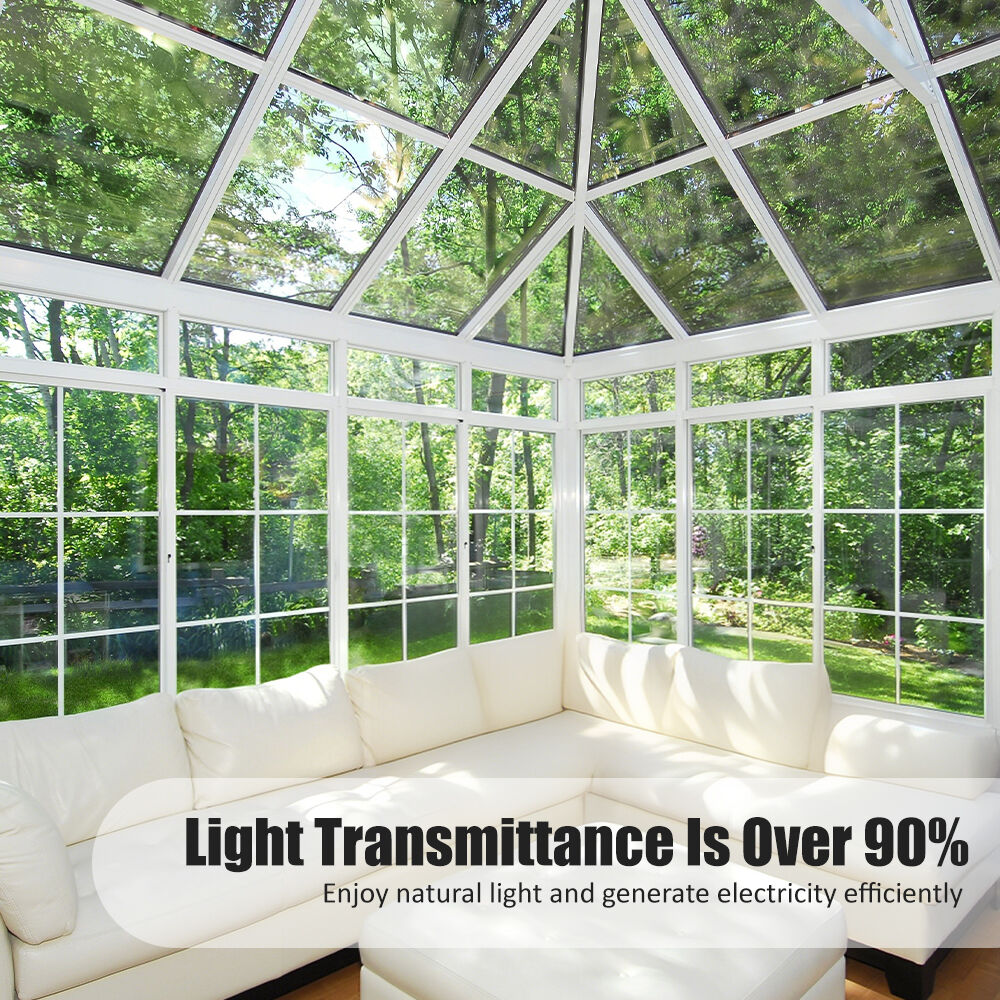
Phased Renovations That Don’t Require Tenant Moves or Operational Downtime
Many companies utilize zone completion sequencing in glass renovation projects in commercial buildings for phased improvements that allow tenants to keep operating normally. This method is based on the partitioning of the glass exterior by vertical sections that are completed one at a time. With the use of temporary walls that provide sound insulation to the space, multiple tenants are able to utilize their space while the renovation is in progress. The Ponemon Institute published research that showed this type of renovation saved mid size office buildings $740,000 in relocation costs. Smart subcontractors work to deliver materials at the least busy times to avoid congestion on the site. In addition, they are proactive to the make the adjustments necessary to optimize workflow. This is achieved through planned regular contact with the tenants in the work areas.Life Cycle Carbon Reduction and Sustainability Leadership: Building Glass
Operational Energy Savings vs. Embodied Energy Trade-Offs
Most people naively assume that building glass uses a lot of energy to produce, but they don’t realize the operational energy savings that lead to savings in the carbon footprint. A low-carbon glass manufacturing method that is expected to be available in 2025 is predicted to reduce the embodied energy of glass by 40 to 60 percent compared to older glass manufacturing methods, according to the 2021 ScienceDirect Paper. What is important to understand is that over a 20-year operational life cycle of a building, approximately 80% of the carbon is released in that time frame. This is where high performance glazing is important. These advanced window systems reduce energy consumption of HVAC systems by approximately 30%. Therefore, the initial energy consumption during the manufacturing of the glass will be paid back in 5 to 7years. This is the reason why building glass is becoming a major components of the carbon reduction strategies in retrofit projects.
The Direct Contribution to LEED v4.1 BD+C Credits (EA, MR, IEQ)
Glass installation has a very positive impact on a building's LEED certification, particularly on the Energy & Atmosphere (EA) credits. Smart glazing contributes to shade control, which helps reduce energy consumption for electric lighting and air conditioning. Many modern glass producers have also integrated up to 50% and 75% of post-consumer glass, assisting LEED's Materials & Resources (MR) credits in meeting the goals of a circular economy. For Indoor Environmental Quality (IEQ) credits, well-installed glass helps maintain a comfortable temperature and allows adequate amounts of natural light to enter. Those who invest in high-tech glazing solutions on their buildings report even a 15-25% quicker certification process, depending on the glazing solutions and other criteria included in their submissions.
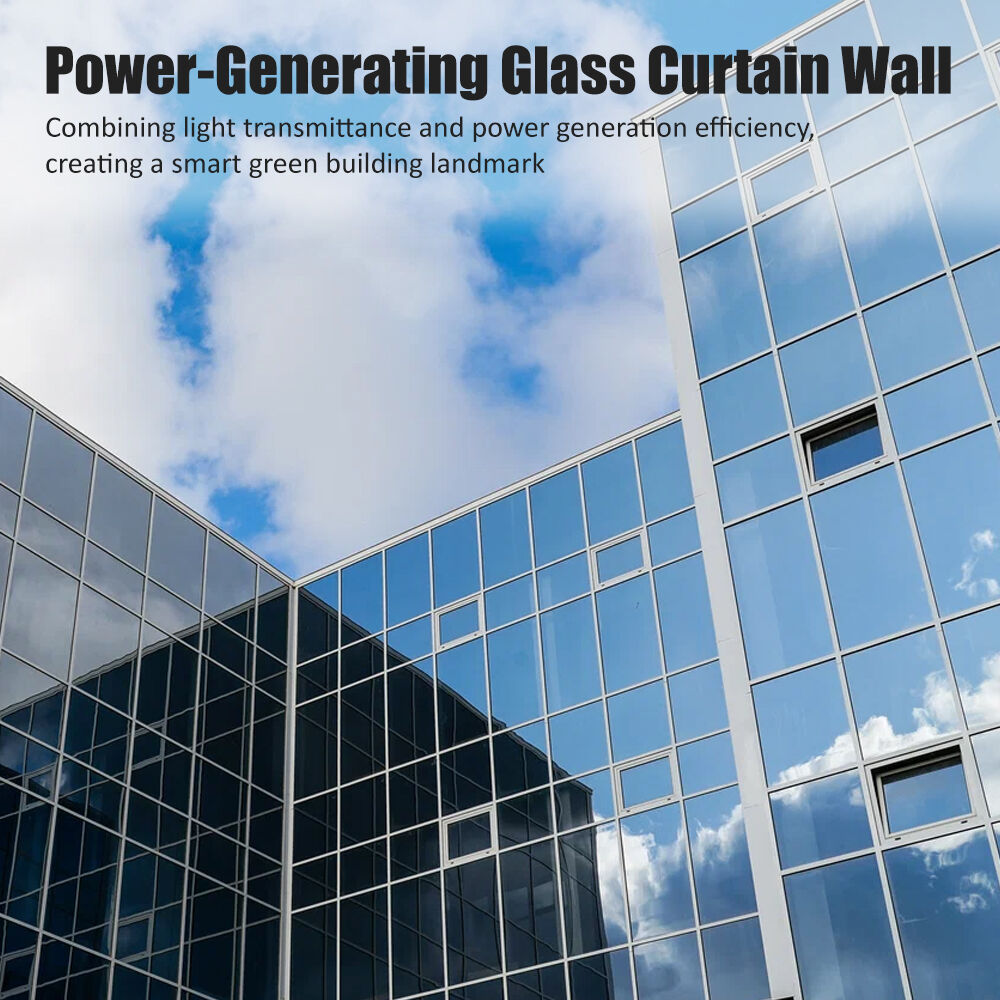
Strategic Business Value: Brand Modernization and Asset Appreciation
Transforming older commercial buildings and retrofitting older grade colored glass buildings with new energyefficient glass facades will not only assist in reducing utility costs but will heighten the building's perceived value from a branding and marketing standpoint. The building will show innovation and care for the environment which will help market the building for higher rental rates. This will help secure top tier tenants. JLL 2023 projection predicted a 12% positive increase in value for buildings with upgraded glass facades. Fill rates post facade replacement increase 12% and lease up times decrease 92% with tenants holding leases longer due to positive impacts of natural light on the tenants. Studies have shown an increase in lease renewals of 18% due to natural light. These positive impacts prove that modern energyefficient glass facades create more value than the initial investment for the owner.
FAQs
What is Low-E glass?
Low-E glass is a glass type coated to reflect infrared light (a.k.a. perceptionless light), and allows visible light to pass. Low-E glass prevents heat loss or gain which helps maintain indoor temperatures during winter and summer.
How does dynamic glass technology work?
Dynamic glass technology changes its tint automatically and in real time to changes in outdoor light brightness. This allows temperatures to remain comfortable without blocking the view.
What is the benefit of using triple glazed windows with argon gas?
Argon gas combined triple glazed windows allows for better insulation and improves the heat transfer coefficient. This also increases the energy efficiency of the building which decreases the demand for air conditioning.
How do glass facades contribute to building sustainability?
Glass facades help to reduce energy embodied energy. They also help to improve energy efficiency. This allows glass façades to help buildings acquire green certifications.