
 EN
EN
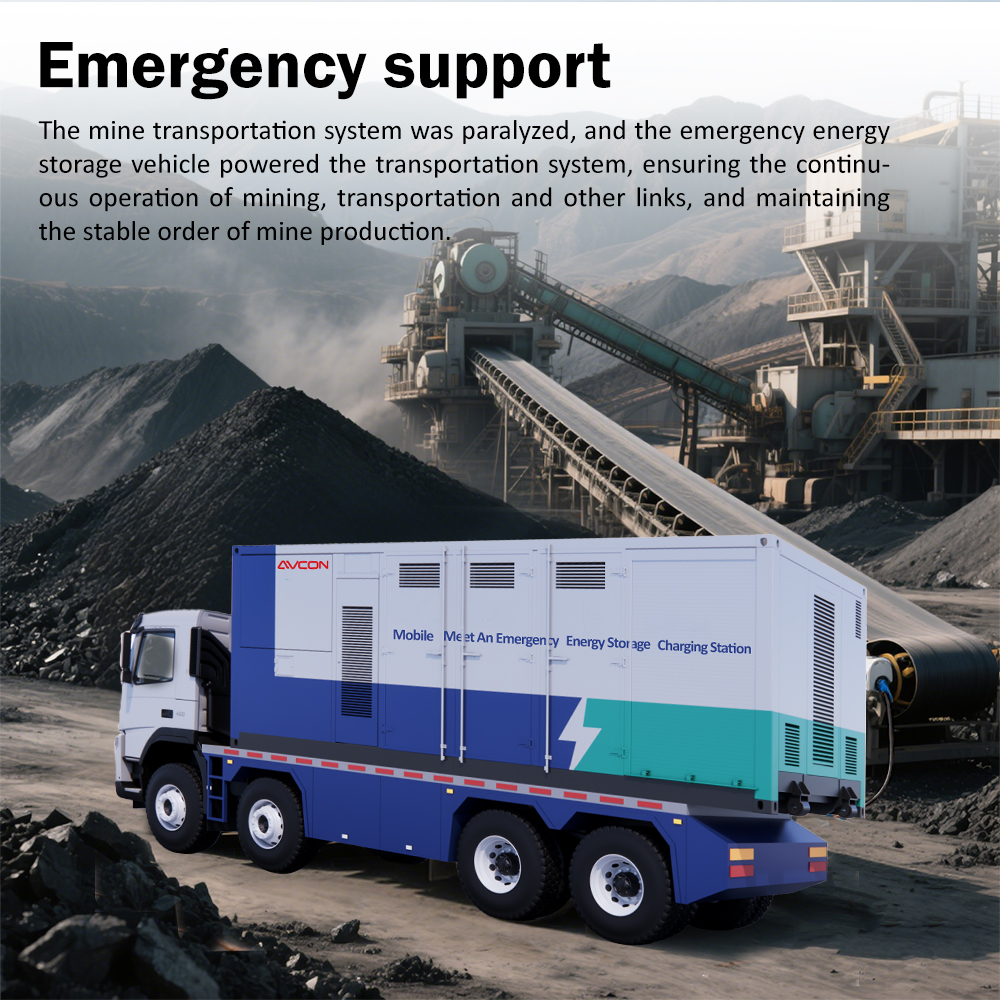
Event of Grid Power Failure: Emergency Backup Power
Growing Power Outage Risk
Outdated infrastructure builds upon the challenges of natural disasters brought on by the effects of climate change. Most Up-to-Date 2023 Report by the North American Electric Reliability Corporation (NERC) shows an increase of 65% in large scale grid challenges (2023) of which extreme weather accounted for 83% of the major outages in the United States since 2020. This increased threat leaves sensitive operational entities vulnerable to worsening dysfunction to the cascading failure of the grid.
Rapid and Continuous Emergency Response Powers from Mobile Storage
Mobile Storage systems provide unique dynamically responsive systems to 'island, ' detaching systems from the grid. Mobile Storage systems provide rapid, uninterrupted power thanks to their unique digital inverters, whereby they bypass traditional diesel systems and their 10-30 min engagement time. Mobile Storage systems units can be activated in under 2 hours. Traditional inoperable diesel systems can be converted to responsive peak-shaving modular systems at a capacity of 100kw-2MW.
Body
Mobile Storage systems (BESS) in Healthcare systems during 2023’s PSPS in CA were instrumental. In time sensitive shutdowns the 500-kW Mobile Storage systems (BESS) support Merced Healthcare’s pre shut down to 72 hours in Emergency Open Healthcare Support / Life Support (EOHCLSL) eliminating diesel particulate emissions and operating at an overall 40% fuel cost reduction. It earned an estimated $220,000/hour for uninterrupted operational support to the results of the rapid interconnection capability of regional hospital.
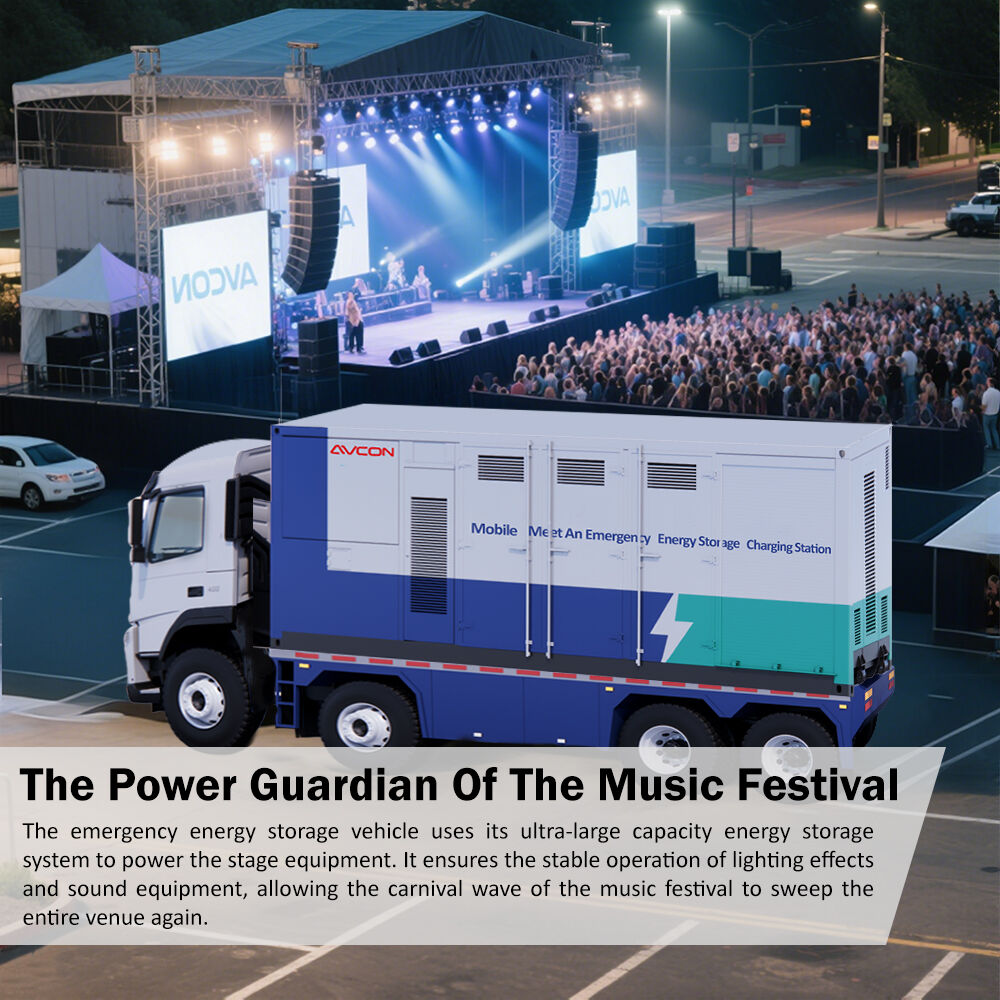
The proposed solution promotes Zero Emissions Technology as an alternative to diesel generators.
Temporary sites operational challenges of the fossil fueled generators
Diesel generators are the leading choice for temporary power solutions, but they have significant drawbacks.
Noise pollution can be disruptive in residential, hospitality, or event settings. Diesel generators, due to their noise exceeding 85 dB, pose a risk of disrupting the environment. (OSHA, 2023).
Diesel generators emit high levels of CO₂, NOₓ, and particulates as a result of burning fossil fuels during operation. The diesel generator furnace’s emissions pose a risk of breaching increasingly stringent air quality regulations
The killer logistics of diesel fuel generator systems are: required on-site temporary fuel storage, transport and refueling systems, and increased project costs and spill risks.
The level of maintenance required for diesel generators includes oil changes, filter changes, and engine maintenance. The maintenance required creates increased project costs due to increased downtime and labor.
These challenges create operational and environmental liabilities.
All Costs Considered: When Diesel Generators Are Outperformed by Mobile Energy Storage.
It is true that diesel fuel generators are more cost effective up front, but when all fuel costs, maintenance costs, regulatory fines, and lifespan are taken into account, mobile energy storage solutions are the superior approach.
Operational Hours or Fuel Costs
900 hours per year (high volume construction projects) typically diesel generators end up costing you more than mobile energy storage solutions in 5 to 7 years and the technology is advancing rapidly.
Resilient Off-Grid and Remote Microgrid Systems
Arctic, Desert, and Island Locations
Remote regions face the most critical gaps in power infrastructure. In the Arctic, settlements are subjected to extreme cold, which breaks the transmission lines. In the deserts, the equipment can corrode at an accelerated rate. Island communities are particularly hampered by the inability to connect submarine cables. It can cost more than $2 million per km to install the cables (International Energy Agency 2023). In the absence of an alternative, remote communities use diesel generators to power. The fuel cost can be between $0.92-$1.30/kWh, making it almost three times more expensive to operate than the alternative renewable systems. Mobile energy storage units are the only technology to deliver energy temporarily and offer high-reliability power in areas traditional grids cannot extend to.
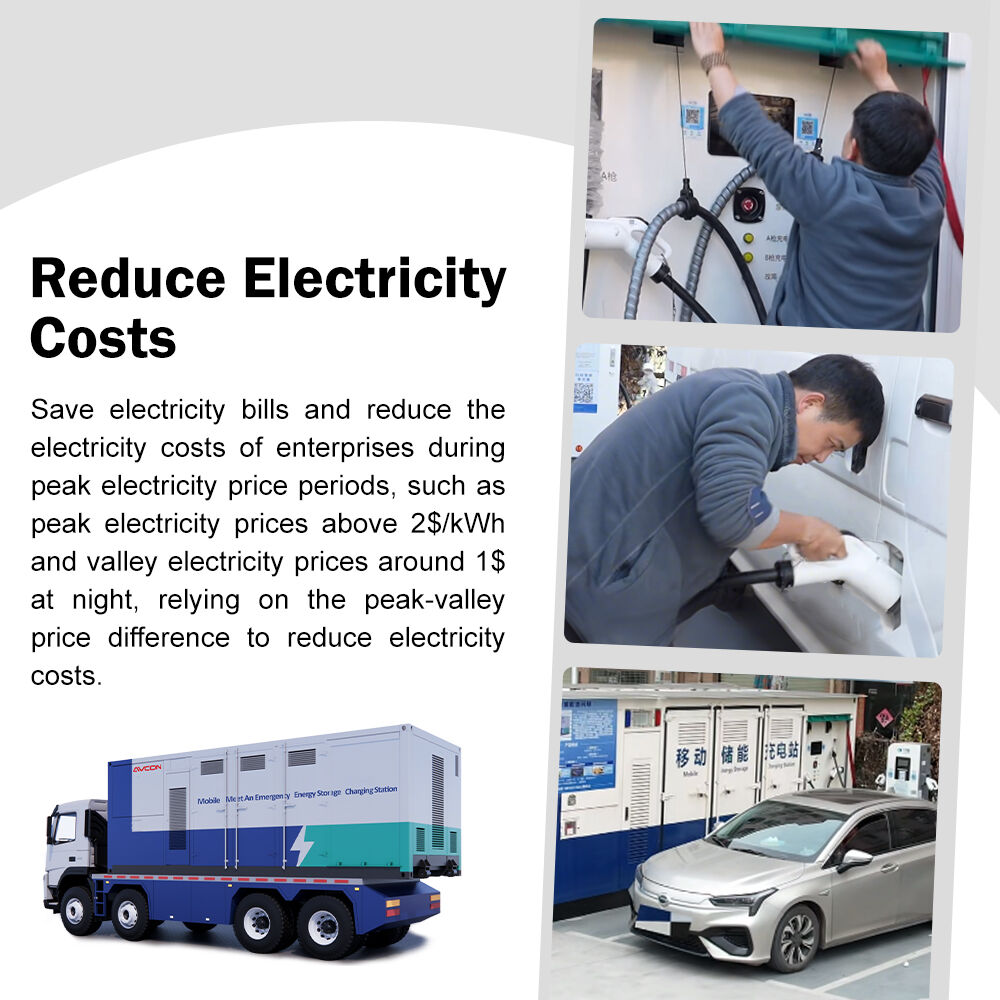
Hybrid Solar/Wind + Mobile Energy Storage for 24/7 Reliable Power
When mobile energy storage technology integrates with renewable generation technology, self-sustaining microgrids can be created in most isolated locations. Solar or wind systems provide the primary energy supply, while storage batteries help to control the energy supply at times when generation may not be optimal. Recent research indicates that these hybrid systems can operate 99.98% of the time and the cost can be between $0.40-$0.61/kWh, which is a reduction of 60% compared to the traditional diesel systems. Some of the key benefits are:
Instant and Reliable. Operational in less than 4 hours
Safe. The replacement of one diesel generator can prevent the emission of 12-18 metric tons of CO2 per month.
This means that water pumps, schools, and clinics can operate again.
The Future of Temporary Events is Flexible and Sustainable Energy
The new frontier of mobile energy storage technology is bringing the Flexible and Sustainable Energy systems to temporary event markets that were primarily served by traditional Diesel generators. State-of-the-art temporary event markets, such as outdoor festivals, sporting events and exhibitions, are beginning to use Mobile electro-chemical battery systems as their primary power source. Traditionally, outdoor events use Diesel generators to provide energy, and of the outdoor events held today, 73% of them still use Diesel generators. Diesel generators produce noise that exceeds 85 dB, which is disruptive to temporary events. The temporary event powering systems being developed today are much quieter, produce no noxious exhaust gases and substantially improve the ambient air quality and overall event experience. Energy systems that include Mobile solar arrays not only provide energy with battery systems, but also provide 100% renewable energy powering systems. Event planners are reporting that they experience a 40% reduction in set-up time compared to Diesel generator systems. The unique flexibility and mobile design of these new energy systems provides a substantial advantage, bringing energy systems to remote locations without existing grid access. Temporary events such as film shoots and weddings on the beach now have a reliable power source in locations that previously did not have access to power.
FAQ Section
What are the main challenges of using diesel generators for temporary power?
There are a great deal of challenges when it comes to using Diesel generators, such as, excessive noise pollution that exceeds 85 dB, air pollution that is beyond confirmed and documented energy as a quality risk, and the time and cost restraints that are inherent in transporting, shipping, and storing the fuel, Then there is the operation and maintenance time demands involved with the operation of the Diesel generators.
How does mobile energy storage compare to diesel generators in terms of cost?
Even though Diesel generators might appear to have a lower initial cost, when you add those costs up in the long-term compared to other mobile energy storage systems, Diesel generators have no fuel costs, trivial maintenance, and a much longer operational lifespan. Under heavy use conditions, energy generators achieve a Return on Investment (ROI) in a 3 to 5 year time period.
What makes mobile energy storage solutions advantageous for remote or off-grid locations?
Mobile energy storage units are able to deliver dependable power solutions without the need for fixed infrastructures. They provide reliable power solutions in locations where power grids are severely constrained, including the Arctic, deserts, and remote islands.
What are the benefits of mobile energy storage systems for temporary events?
These systems provide clean, flexible, and reliable power without the noise and emissions of diesel generators. Their rapid deployment capability is complemented by the ability to set up in 40% less time than traditional systems, which is particularly advantageous for sustainably focused events.