 EN
EN
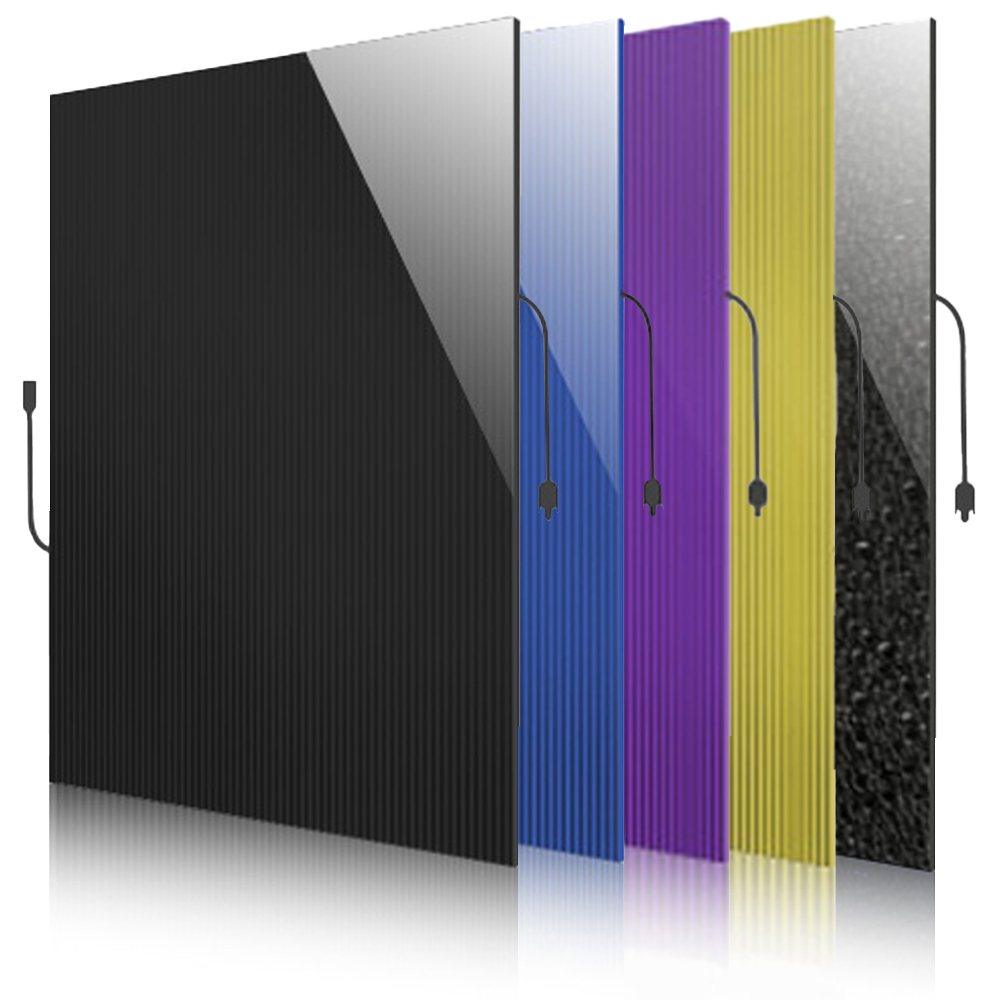
Optical Clarity and Structural Integrity: Low-Iron Tempered Solar Panel Glass
How Low-Iron Glass Improves Light Transmission (91-94%)
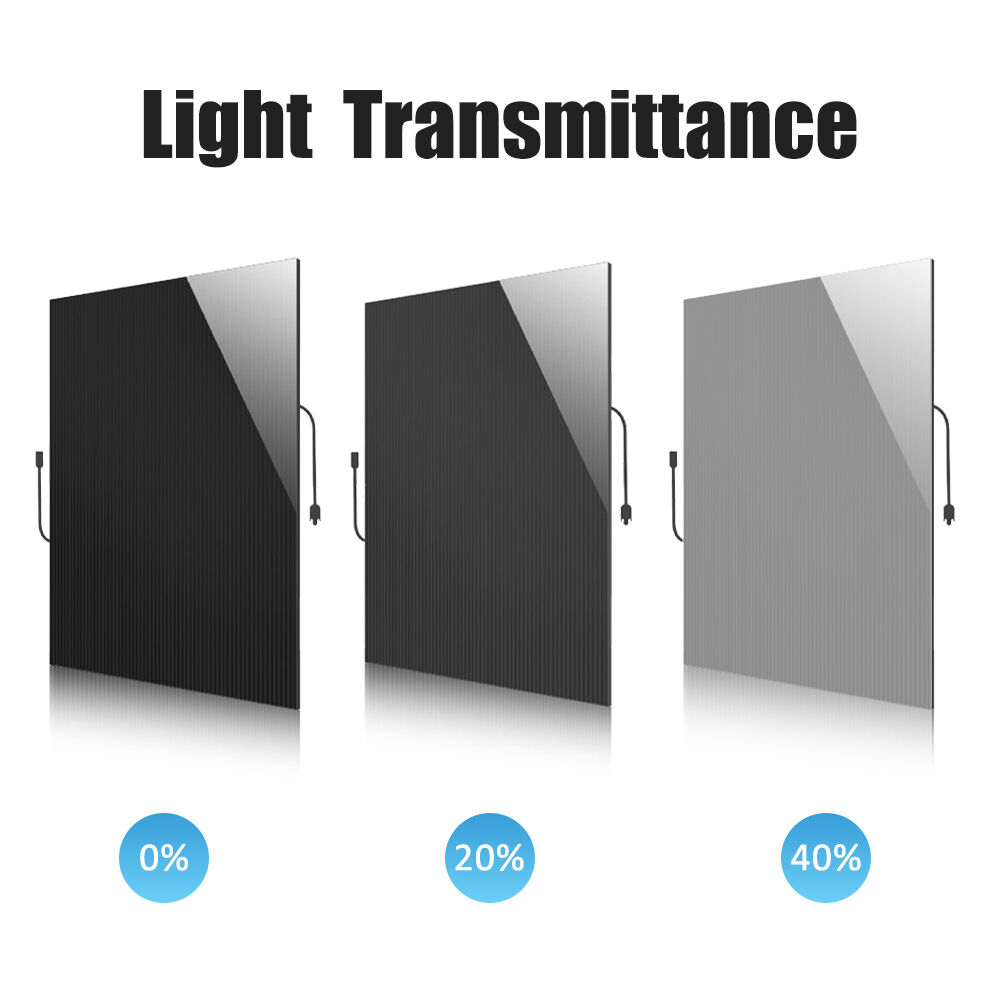
Glass in standard solar panels is manufactured with iron oxides in the glass which gives the glass a green tint and absorbs some sunlight. This absorbs visible light by around 15%. When manufacturers use low-iron glass, the iron content is reduced to <0.01%, and the visible light absorption improves to 91-94%. That 6 to 9% improvement is significant in energy production. Studies have proven that panels have the ability to produce 0.5 to 0.8% more power for every 1% improvement in light transmission. So what makes these panels more clear? The quartz sand that is used in the production has been processed to remove the impurities that create disco colors which can affect the efficiency of the panels. Low-iron, high transmission glass panels have a performance advantage and capture every available photon. This is why many experts believe for optimal performance low-iron glass is essential.
Advantages of Tempered Glass: Impact Resistance, Thermal Stability, and Safety
Thermally tempered solar panel glass is created via a process that involves heating glass to approximately 620 degrees Celsius and subsequently cools it down in a controlled manner. This process creates pressure on the surface, which makes the glass about four times stronger and allows the glass to withstand hail impact of up to 90 km/h, exceeding the requirements of the IEC 61215 standards. In a field test conducted last year, panels made of tempered glass showed a 78% reduction in broken panels compared to panels made of standard glass. Tempered glass is also proven to withstand extreme temperatures between -40 and 85 degrees Celsius, without the formation of cracks that are a result of heat stress. This glass also offers a safer outcome in the instance of a breakage. In the unfortunate event that the glass is broken, instead of typical glass which creates jagged and sharp shards, tempered glass breaks into many small pieces which are less dangerous to workers that install and service the glass. Tempered glass is an excellent choice for solar panels that are exposed to harsh and extreme weather for extended periods of time.
Advanced Surface Engineering: Self-Cleaning and Anti-Reflective Coatings for Solar Panel Glass
Nanostructured AR Coatings: Transmissivity Greater than 96\% for All Wavelengths of the PV Spectrum
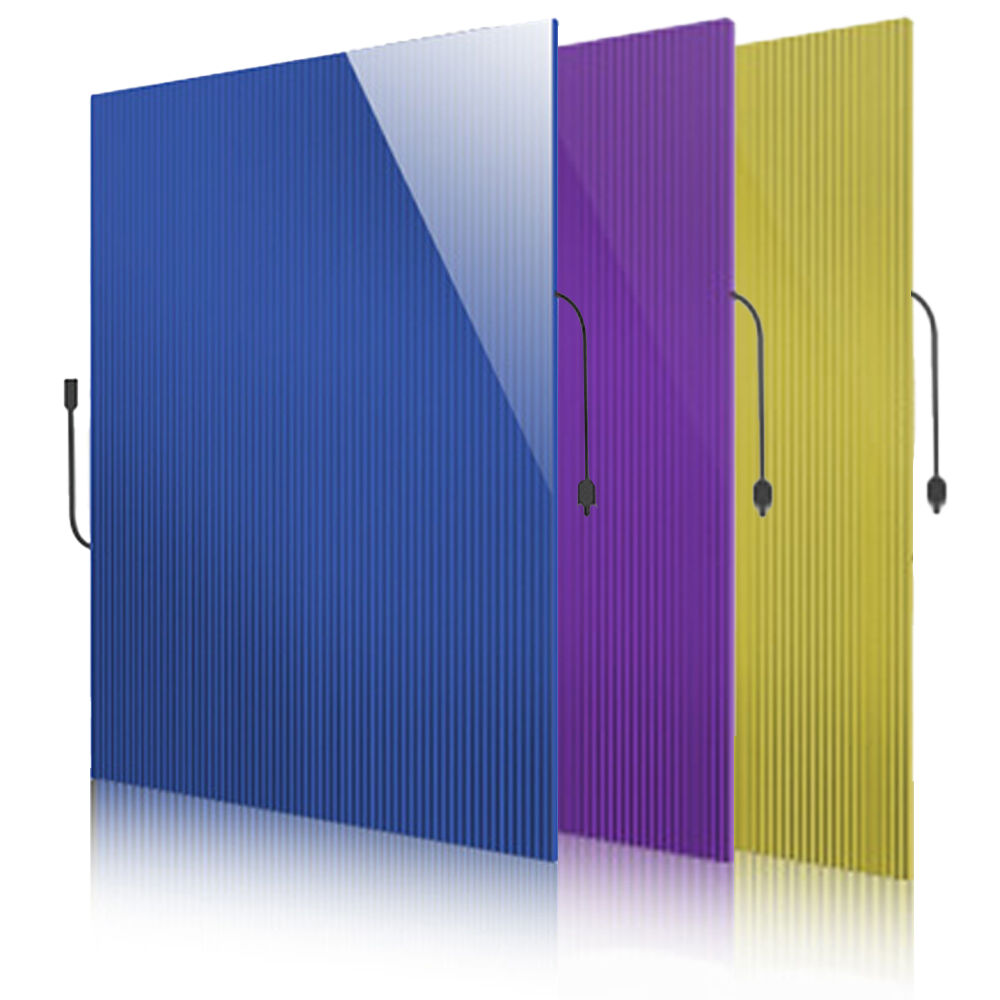
Anti-reflective coatings are the phenomena of an AR coating utilized for the reduction of exceptional reflections occurring from the glass of the solar panels and are based on the principle of destructive interference. These AR coating nanostructures are designed to photonic crystals or nano glass to guide and increase the amount of solar radiation directed to the photovoltaic cells located on the rear side of the glass covering and to increase the solar radiation that will pass through the glass. The solar radiation of interest for energy conversion by the photovoltaic cells spans the range of 300 to 1200 nanometers. The untreated glass will reflect approximately 8\% of the incident solar radiation while glass with AR coatings will reflect less than 2% of the incident solar radiation. These coatings will also yield considerable performance improvements during periods of the day during which the solar panels are low on the horizon due to the oblique solar incidence.Photocatalytic TiO₂ + Hydrophilic Hybrid Coatings Reduce Soiling Losses by 15–30%
Self-cleaning surfaces are created by mixing photocatalytic titanium dioxide (TiO₂) with hydrophilic coatings. Hydrophilic coatings allow water to spread evenly across a surface, and, under UV light, TiO₂ catalyzes the breakdown of organic contaminants. The combined effects of these two surfaces leads to the removal of contaminants. Industry studies from 2023 support that this dual-action coating reduces soil-related efficiency loss by 15–30% annually.
Coating Type Function Performance Gain
Anti-Reflective Minimizes light reflection >96% transmissivity
TiO₂ Hydrophilic Breaks down debris + enables rinsing 15–30% soiling loss reduction
UV Durability and Environmental Resilience of Solar Panel Glass
During a solar panel’s operational life the glass protects the Solar cells from UV radiation, extreme temperatures, and environmental elements. Glass that has not been specifically developed for solar panel use, will become opaque due to UV exposure. The UV exposure will also cause the glass to develop micro-cracking. Each year, the micro-cracking will reduce the light transmittance of the glass by approximately 0.5%. Recent tempered glass products that have been developed with a low iron content and have cerium oxide dispersed throughout the glass are available. These types of glass will maintain approximately 92% light transmittance for the life of the panel (25 years). Protective layers of the solar panel will perform optimally throughout the operational life of the Solar panel.
Environmental resilience in glass modules incorporates features beyond ultraviolet protection such as:
Resistance to thermal shock: Resistance to thermal shock withstands temperature changes from -40 to +120 degrees Celsius without micro-fractures
Moisture barrier: Water vapor transmission (WVTR)<0.01g/m2/day, preventing galvanic corrosion to alloys embedded in the glass
Impact from hail: glass modules are certified IEC 61215 standard for 25mm hailstones hitting the glass at a velocity of 23m/sec
The construction of the modules ensures that the power loss is less than 0.3% annually. It is therefore known that after 30 years, the majority of modules (even located in the most difficult locations for example, deserts, saltwater, coastal cities) will still be functional and will have at least 85% of the initial power output. What manufacturers used to refer to as glass protection has today evolved into more advanced features in solar modules, such as better system performance and longevity.
FAQs
What is the significance of low-iron glass in solar panels?
Because low-iron glass has a higher visible light transmission as well as increased solar energy production efficiency than ordinary glass.
What are the advantages of tempered glass in solar panels?
Because tempered glass is much stronger than ordinary glass, the thermal and impact resistance, as well as breakage resistance, provides increased safety and extended use of the solar panelsWhat is the purpose of anti-reflective coating on solar panels?
The purpose of anti-reflective coating is to increase solar panels’ efficiency by reducing the amount of sunlight that is reflected away from the photovoltaic cells.
What purpose does titanium dioxide (TiO₂) have in solar panels?
Titanium dioxide (TiO₂) is said to be self-cleaning, which is beneficial in reducing soiling losses due to the breakdown of organic material that assists in the water cleaning process.